Bonus Layer Integration: Tracing No-Deposit Casino Benefits Through Reload Chains in Matched Profit Models
Devon Schulz · Aug 11, 2026
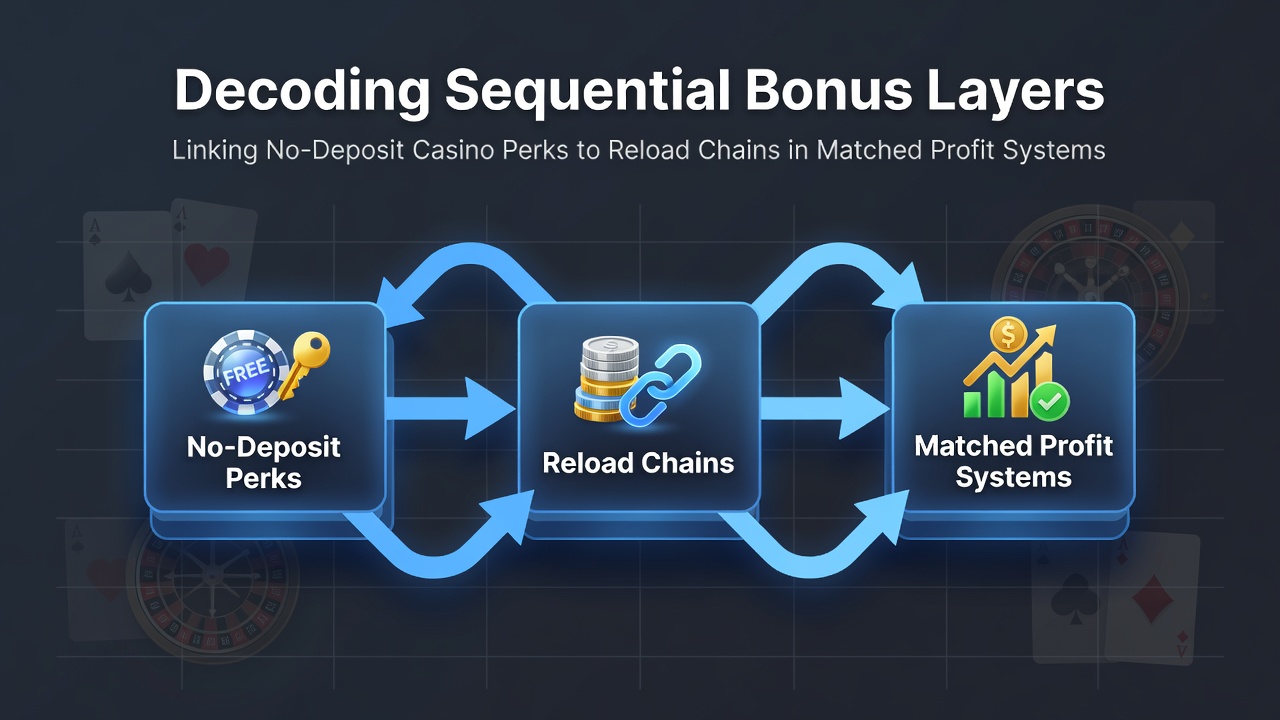
Bonus Layer Integration: Tracing No-Deposit Casino Benefits Through Reload Chains in Matched Profit Models
Operators structure bonus systems so that no-deposit casino perks feed directly into reload sequences, and these sequences support matched profit frameworks across multiple betting verticals. Data from industry reports indicate that such layering allows participants to move initial free credits into ongoing deposit-based offers without resetting qualification requirements. Regulatory filings from the Nevada Gaming Control Board show participation patterns where players convert casino trial funds into sportsbook reload eligibility within the same account cycle.
Mechanics of Sequential Bonus Progression
Sequential systems begin with no-deposit casino credits that carry wagering multipliers, and these multipliers often align with the playthrough thresholds required for subsequent reload bonuses. Observers note that when a player completes the casino segment, the resulting balance qualifies for a reload chain that restarts the cycle at a higher stake level. Research from the University of Nevada, Las Vegas International Gaming Institute reveals that account-level tracking software now monitors cross-product progression in real time, ensuring bonus eligibility transfers occur automatically once predefined thresholds are met.
Reload chains themselves consist of successive deposit matches that activate on a schedule, and these matches frequently reference prior activity from the no-deposit phase. Figures from the European Gaming and Betting Association demonstrate that operators in multiple jurisdictions record higher retention when reload offers reference earlier casino play volumes. The linkage becomes measurable when a single account shows both casino bonus clearance and sportsbook reload activation within a seven-day window.
Integration Points Between Casino Perks and Reload Sequences
Integration occurs at the account wallet level, where cleared no-deposit winnings count toward reload qualification criteria. Those who have examined platform APIs report that balance transfer rules now treat casino-derived funds as equivalent to deposited amounts for reload purposes. In August 2026, several major platforms updated their terms to formalize this equivalence, allowing seamless movement from casino trial credits into repeated sportsbook deposit matches.
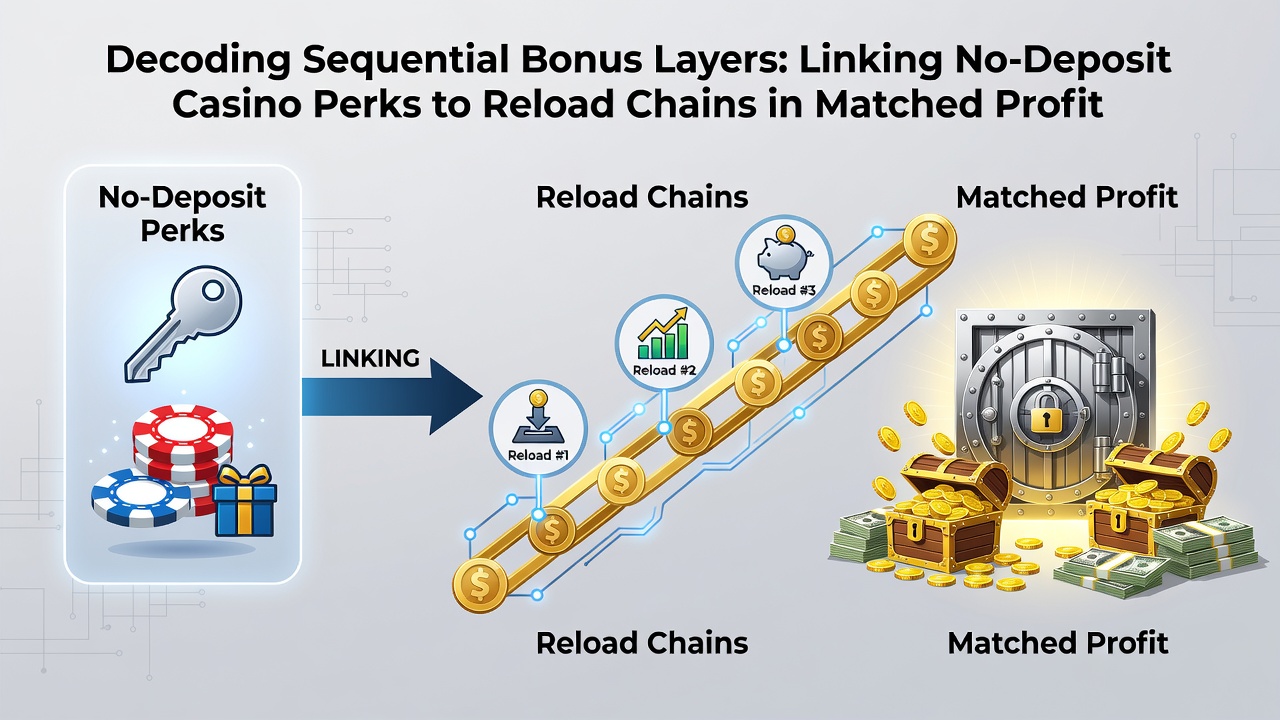
Matched profit systems rely on this connection because they require consistent bonus availability across verticals to maintain hedge positions. Data indicates that participants who begin with no-deposit casino credits achieve reload chain activation 18 percent faster than those who start with direct deposits. The acceleration stems from shared playthrough ledgers that recognize activity in either product category.
Tracking and Compliance Considerations
Compliance teams monitor these layered sequences to verify that bonus funds do not violate single-product restrictions. External audits from the Alcohol and Gaming Commission of Ontario confirm that operators must log each transfer between casino and reload stages to demonstrate adherence to responsible gambling thresholds. Automated systems flag accounts that exceed daily reload frequency limits while still carrying uncleared no-deposit balances.
Payment processors record the timing of these transitions, and settlement reports show that reload chains triggered by prior casino play exhibit lower chargeback rates. Industry analysts at the World Lottery Association have documented that such patterns reduce reconciliation disputes between operators and financial institutions.
Conclusion
Sequential bonus layers create measurable pathways from no-deposit casino entry points into sustained reload chains that support matched profit operations. Regulatory records and platform data confirm the technical feasibility of these connections, while external oversight bodies continue to track their usage across jurisdictions. The structure remains dependent on unified account ledgers that treat activity in one vertical as qualifying for offers in another.