Building Lasting Engagement: The Structure of Progressive Incentives Among UK Bookmakers Across Seasons
Devon Schulz · May 19, 2026
Building Lasting Engagement: The Structure of Progressive Incentives Among UK Bookmakers Across Seasons
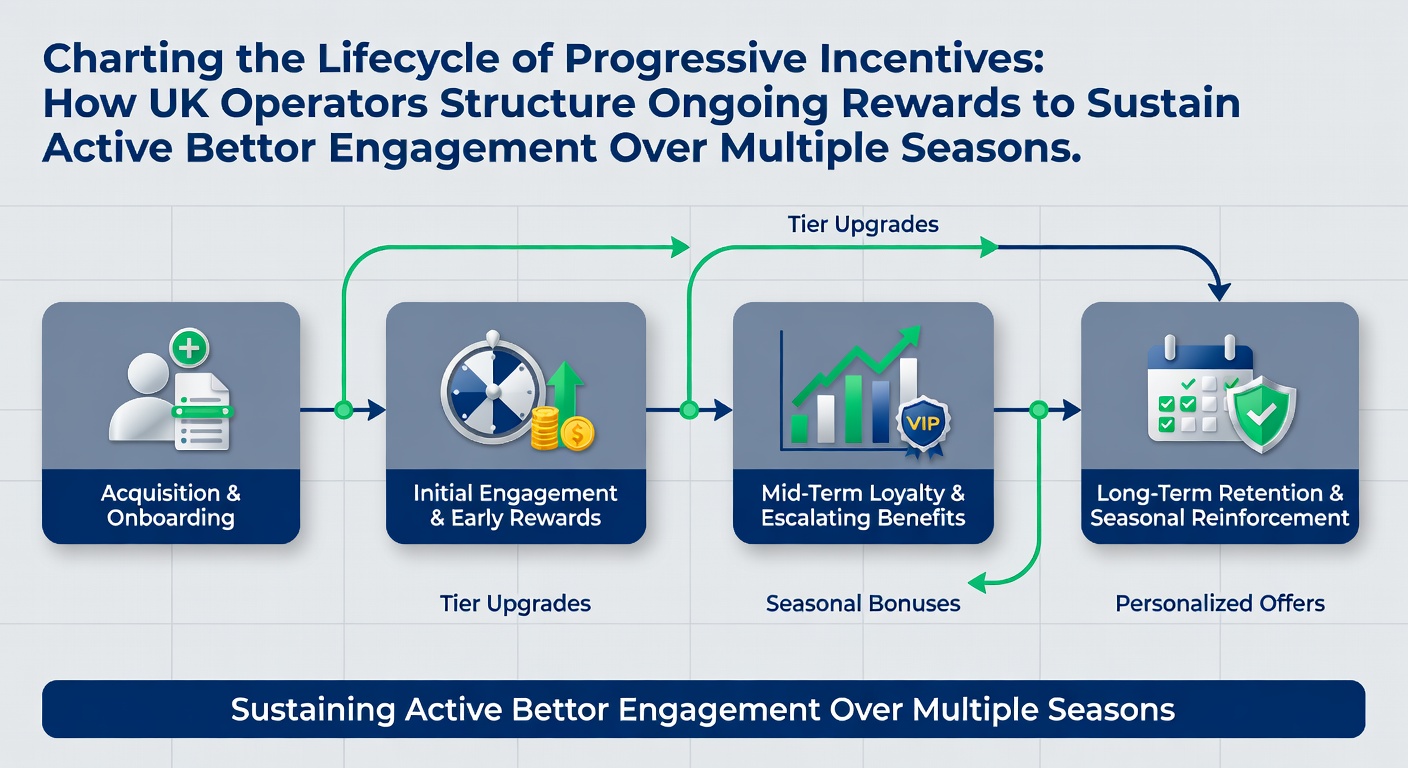
UK operators design incentive programs that unfold across distinct phases, beginning with initial sign-up rewards and moving into layered systems that adjust according to activity levels and seasonal sports calendars. These structures rely on data tracking to identify patterns in betting behavior, allowing firms to release targeted offers that align with football campaigns, horse racing fixtures, and cricket tours. Observers note that such programs often span multiple years rather than single events, creating continuity that encourages repeat participation while operators monitor engagement metrics through dedicated loyalty platforms.
Initial Phases and Early Reward Tiers
New account holders typically encounter entry-level incentives that transition into ongoing point accumulation schemes, where bets placed on major leagues generate credits redeemable for free bets or cash equivalents. Data from industry reports shows these early stages focus on establishing habits, with operators using automated triggers to escalate benefits once certain thresholds are met, such as total stake volumes or frequency of wagers during a given month. This progression helps maintain momentum as users move from one sports season into the next without abrupt drops in activity.
Operators integrate seasonal adjustments early on by highlighting upcoming tournaments or leagues, which prompts users to extend their participation. Research indicates that programs incorporating these calendar-based nudges see steadier retention rates compared to static offerings, because bettors receive reminders tied directly to events they already follow. And while initial rewards might emphasize quick wins, the underlying architecture emphasizes gradual scaling to prevent early drop-off once introductory periods conclude.
Mid-Cycle Development and Personalization
As engagement continues, systems shift toward personalized tiers that reflect individual betting histories, with higher activity unlocking enhanced multipliers on accumulated rewards. Those who study these models point out that operators draw on transaction data to segment users into brackets, delivering offers that match preferences like accumulator bets or in-play wagering. This middle phase often coincides with peak seasons, where volume increases naturally and operators deploy time-limited boosts to capitalize on heightened interest.
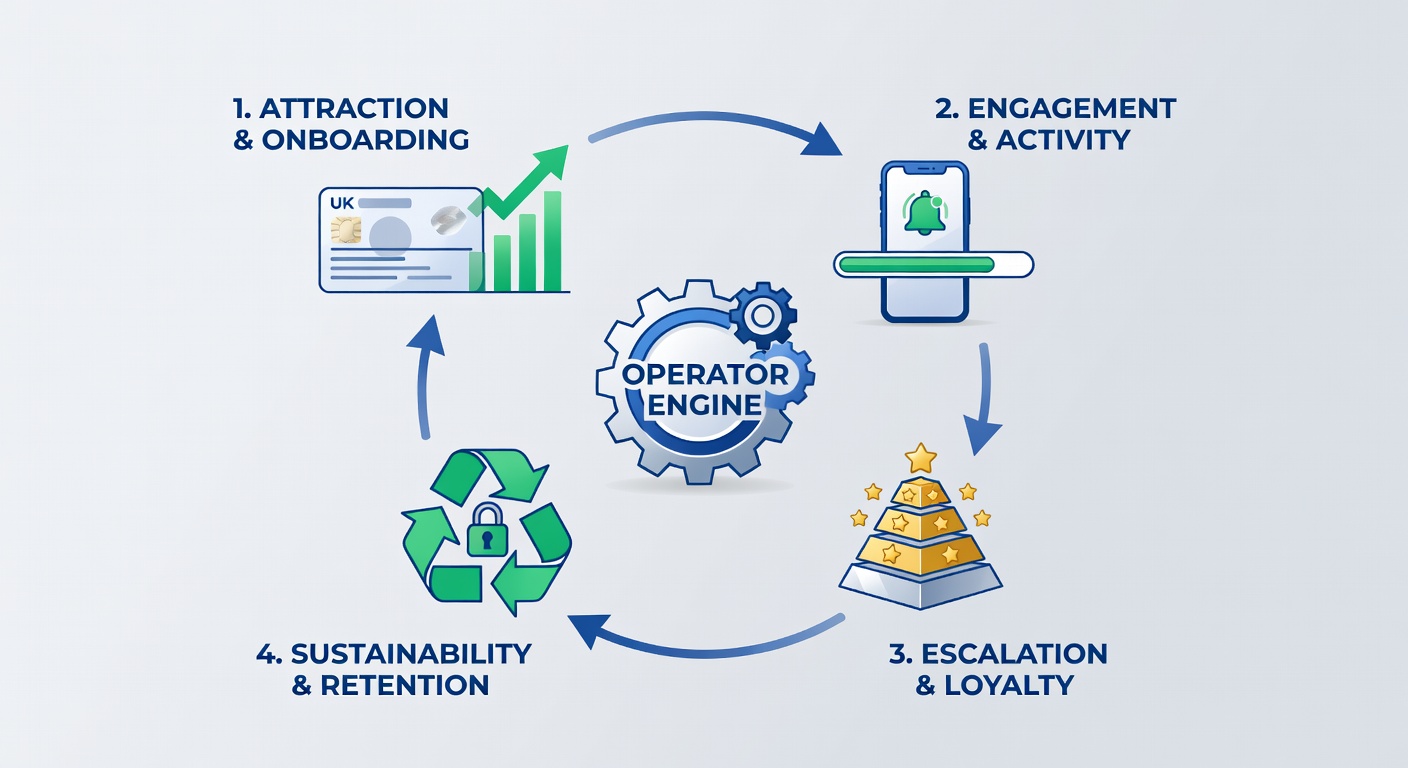
By May 2026, several major platforms had refined these personalization engines further, incorporating weather-related variables for outdoor sports and fixture congestion periods that affect team performances. Figures from operator disclosures reveal that users reaching mid-tier status demonstrate longer average account lifespans, because the rewards evolve in tandem with their habits rather than remaining fixed. What's interesting is how these adjustments create a feedback loop where continued play feeds better offers, sustaining interest through quieter off-season months when major leagues pause.
Long-Term Retention Mechanisms and VIP Structures
Advanced stages involve invitation-only VIP programs that offer bespoke experiences, including dedicated account managers and exclusive event access, all built upon consistent multi-season activity. These mechanisms rely on predictive analytics to forecast when engagement might wane, prompting preemptive offers such as enhanced cashback rates during international breaks or special promotions around major finals. According to studies published by the Australian Gambling Research Centre, similar tiered systems in other markets correlate with reduced churn when operators maintain transparent progression rules that users can track in real time.
Operators also layer in cross-product incentives that link sportsbook activity to casino or poker sections, broadening the appeal for those whose interests shift across different periods of the year. Data shows this approach extends participation windows, particularly among users who might otherwise limit themselves to one sport. Yet the core remains focused on incremental value growth, where each completed season unlocks marginally stronger benefits that compound over time without requiring users to restart from scratch.
Conclusion
UK operators continue to refine these lifecycle models by analyzing retention data across full calendar cycles, ensuring incentives remain relevant as sports schedules rotate and user preferences evolve. The result is a framework where rewards progress in measurable steps, supporting sustained involvement from initial signup through repeated seasons while operators balance commercial goals with regulatory expectations around responsible play. This structured progression demonstrates how ongoing adaptation keeps engagement metrics stable even as external factors like league timings and economic conditions change.