Charting Interconnected Incentive Chains Linking Deposit-Free Casino Entries to Sportsbook Repeat Perks
Hugo Reed · Jul 14, 2026
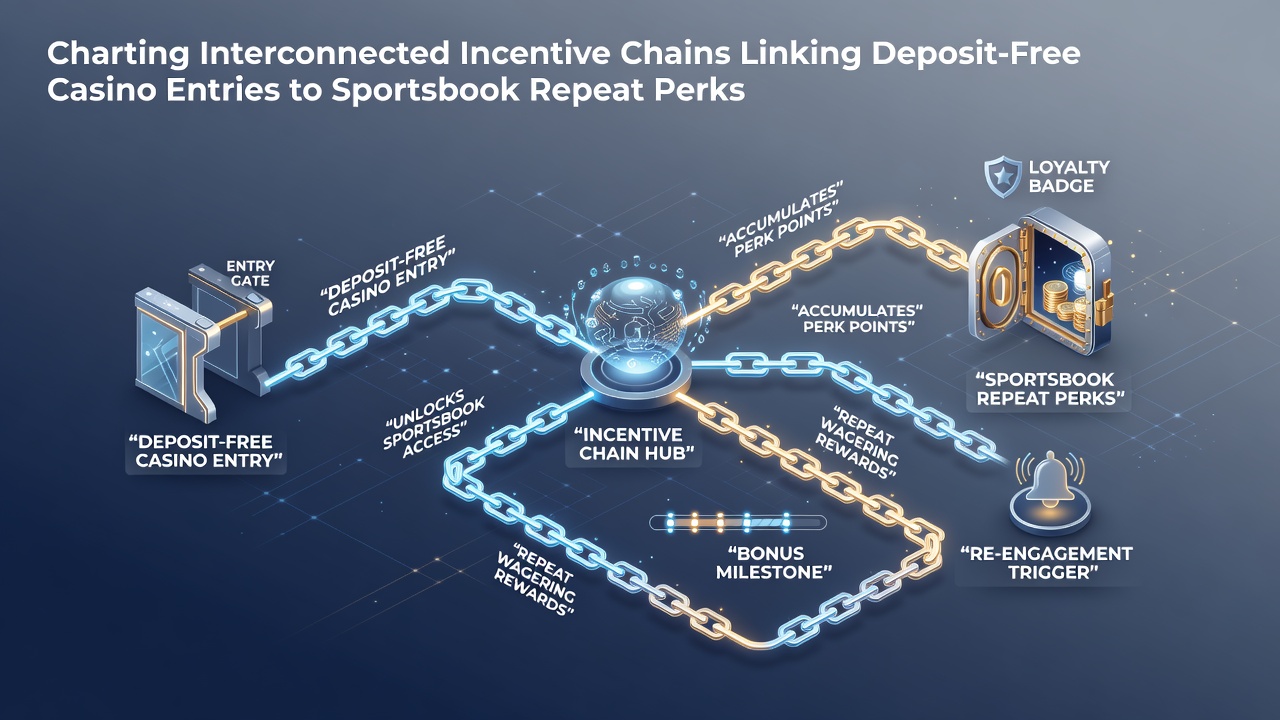
Charting Interconnected Incentive Chains Linking Deposit-Free Casino Entries to Sportsbook Repeat Perks
Operators structure promotional systems so that deposit-free casino entries serve as initial access points while subsequent repeat perks on sportsbook platforms build ongoing engagement across verticals. These arrangements rely on sequential eligibility rules where activity in one product category unlocks benefits in another, creating measurable pathways documented in industry reporting from multiple jurisdictions.
Mapping the Basic Chain Architecture
Deposit-free casino entries typically require account verification and may include wagering conditions that operators track through internal systems before transitioning users toward sportsbook offerings. Research from the Australian Institute of Family Studies shows how eligibility data flows between product lines when platforms apply unified loyalty frameworks. The process often begins with a fixed credit amount or free spin allocation that carries no upfront deposit yet imposes playthrough thresholds before any conversion to cashable funds occurs.
Once those thresholds are met, systems route participants toward sportsbook repeat perks such as enhanced odds or cashback on settled bets. Data indicates these transitions occur through automated triggers tied to account history rather than separate sign-ups. Observers note that July 2026 regulatory reviews in several markets will examine how such automated linkages affect player segmentation and disclosure requirements.
Mechanics of Deposit-Free Entry Points
Deposit-free casino entries operate through time-limited codes or account-level flags that activate upon registration and identity confirmation. Operators apply these flags within centralized customer management platforms so that subsequent sportsbook activity inherits the same verification status. This inheritance reduces redundant checks while allowing the system to monitor cumulative wagering across both verticals. Figures from the Nevada Gaming Control Board annual summaries reveal that similar cross-product tracking appears in multi-state operator reports where casino and sports wagering licenses coexist under single corporate entities.
Eligibility windows for these entries usually span 7 to 30 days and include maximum win caps that reset upon transition to sportsbook repeat perks. Those caps prevent early cashouts and instead encourage continued play that feeds into the next layer of incentives. The architecture ensures that any remaining balance or progress toward wagering requirements carries forward when users access sportsbook features.
Transition Pathways to Repeat Perks
Sportsbook repeat perks activate once casino-side conditions are satisfied or when overall account tenure milestones are reached. These perks commonly include reload credits, profit boosts, or insurance on losing bets, all calibrated according to prior activity volume. Operators record these triggers in unified ledgers so that casino entry completion directly influences the value or frequency of sportsbook offers delivered to the same account. European Gaming and Betting Association position papers describe how such ledgers support compliance reporting across integrated platforms.
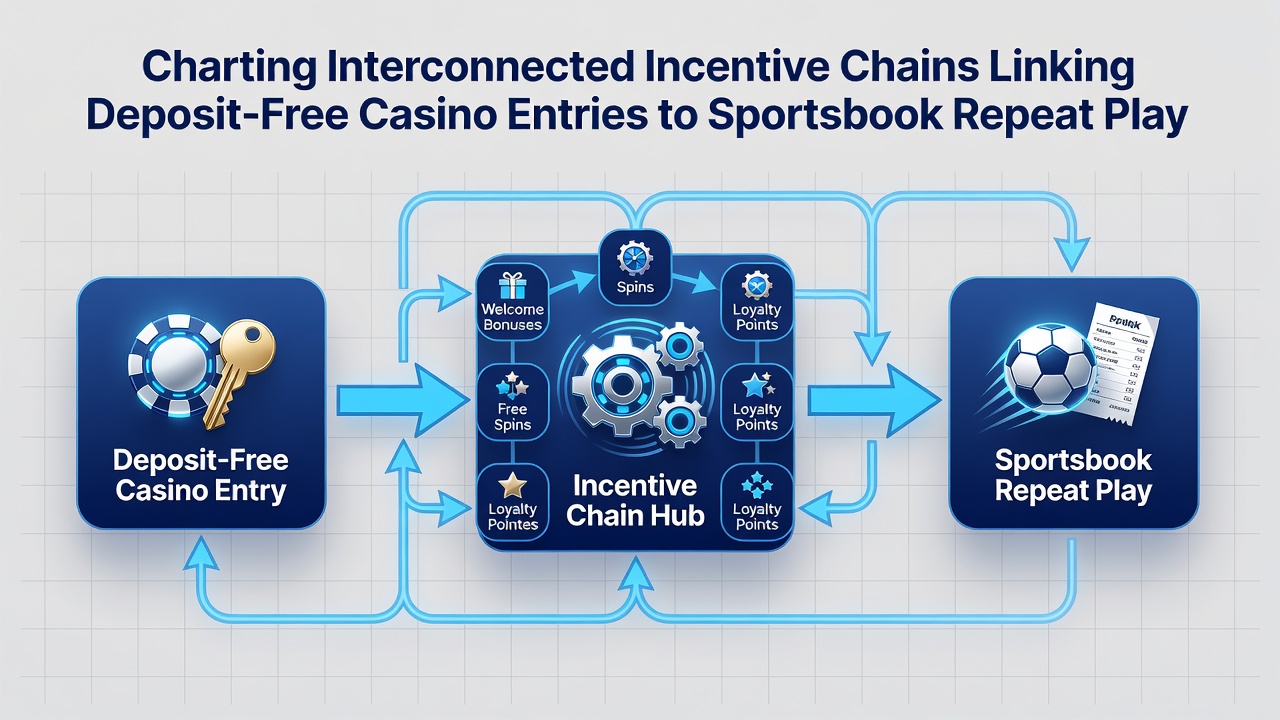
One documented pattern involves a no-deposit casino credit converting into a sportsbook free bet bundle after the playthrough completes. The bundle amount scales with the original credit size and the operator's segmentation model. Another pattern links casino spin outcomes to loyalty tier advancement that unlocks sportsbook cashback percentages unavailable to new accounts. Both patterns rely on the same backend event listener that monitors cross-vertical progress and issues rewards without manual intervention.
Role of Unified Tracking Systems
Centralized tracking systems aggregate data from casino and sportsbook modules to enforce eligibility rules and calculate reward values. These systems record each deposit-free entry redemption and map it to subsequent sportsbook transactions within the same session or across multiple sessions. Reports compiled by the Responsible Gambling Council in Canada highlight how such aggregation supports responsible gambling flags that operators must apply uniformly across product categories. The linkage also enables operators to adjust perk values dynamically based on real-time account metrics rather than static schedules.
July 2026 updates to several North American state reporting frameworks are expected to require additional granularity in these aggregated logs, particularly around the timing between casino entry completion and sportsbook perk issuance. This requirement stems from existing data standards already in use by multi-jurisdictional operators and will standardize how chains are documented for regulatory review.
Conclusion
The documented structures show that deposit-free casino entries function as gateways within larger incentive ecosystems where sportsbook repeat perks serve as continuation mechanisms. Unified tracking systems enforce the sequential logic while regulatory bodies in multiple regions collect data on how these chains operate. Continued examination of system logs and eligibility rules will clarify the precise volume and timing of transitions between the two product categories as operators refine their architectures ahead of 2026 reporting cycles.