Crowded Sports Seasons and Repeat Betting Rewards: Their Combined Effect on Prolonged Participation
Devon Schulz · May 23, 2026
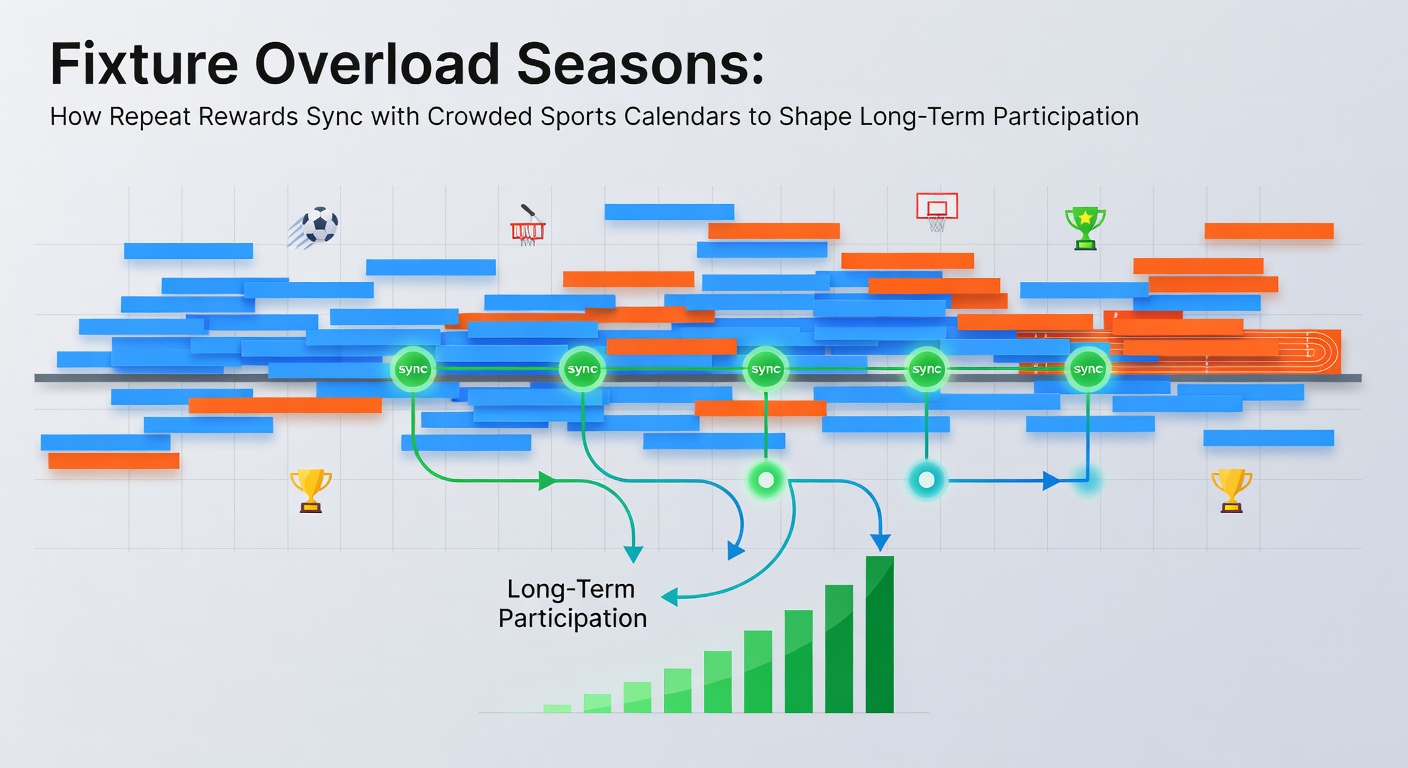
Crowded Sports Seasons and Repeat Betting Rewards: Their Combined Effect on Prolonged Participation
Fixture congestion creates overlapping schedules across major leagues and tournaments, where football, basketball, tennis, and horse racing events pile up within short windows, and operators respond with structured reload bonuses that activate at set intervals to align with these peaks.
Researchers tracking betting patterns note that such timing encourages users to maintain accounts through extended periods rather than dropping off after initial sign-ups, since the rewards reset weekly or monthly in coordination with high-volume matchdays.
Calendar Overlaps Drive Reward Timing
European domestic leagues run alongside international breaks and cup competitions, while North American seasons overlap with European schedules in ways that produce dense fixture lists; data from industry reports indicate operators release recurring deposit matches or free bet ladders specifically during these stretches to retain activity levels.
One analysis of participation metrics shows spikes in account logins when multiple sports run concurrently, and the repeat offers appear calibrated to those dates so that users encounter fresh incentives precisely when they have the most events available to consider.
Reload Structures and User Retention Patterns
Reload bonuses typically require a qualifying deposit on designated days, after which the platform credits a percentage match or fixed free bet amount; these mechanisms function as scheduled prompts that remind users of ongoing opportunities without requiring them to seek out new promotions each time.
Figures from gaming associations in Australia reveal that platforms using predictable reload cycles see higher month-to-month retention compared with those relying solely on one-off welcome offers, because the recurring element creates a rhythm that matches the rhythm of crowded calendars.
Geographic Variations in Calendar and Reward Alignment
In regions where rugby league, cricket, and football seasons intersect during southern hemisphere summers, operators adjust bonus frequencies to cover those months; Canadian provincial data similarly tracks how ice hockey and basketball overlaps prompt targeted reload campaigns that extend into late spring.
By May 2026 several major European finals and playoff series are scheduled within the same fortnight, prompting bookmakers to layer additional cashback tiers onto existing weekly offers so that users can access compounded rewards across the compressed window.
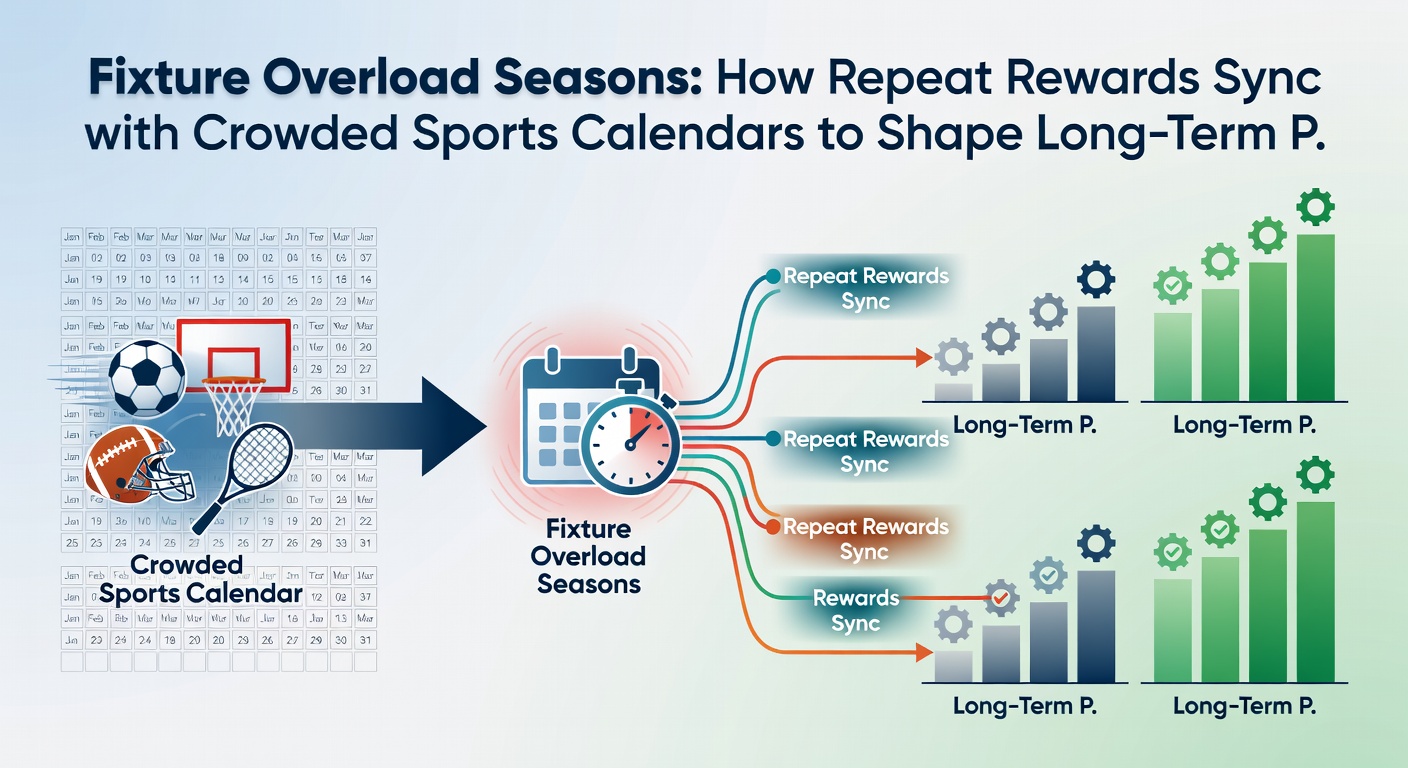
Long-Term Participation Metrics
Longitudinal studies conducted by academic groups in the United States demonstrate that users exposed to synchronized reload programs maintain betting frequency over multiple seasons at rates measurably higher than control groups without such alignment; the difference appears in both deposit counts and session duration.
Trade organizations tracking global markets report that platforms emphasizing calendar-aware reward structures record steadier revenue streams across quarters, because the incentives reduce the drop-off that typically follows peak-event periods when no further prompts are present.
Integration of Multiple Sports and Bonus Layers
Operators often bundle rewards across different verticals so that a football accumulator bonus can feed into a tennis free bet or racing cashback within the same week; this cross-sport layering matches the reality of fans following several leagues simultaneously during congested months.
Evidence from European research institutes shows that users who engage with multi-sport reload chains tend to extend their participation timelines, logging activity across successive seasons rather than treating betting as a short-term seasonal hobby.
Conclusion
The synchronization between overloaded fixture lists and recurring reward structures produces measurable effects on how long individuals continue engaging with betting platforms; data across multiple jurisdictions indicate that predictable, calendar-timed incentives correlate with sustained account activity through periods of high event density and beyond.
Those examining market trends observe that the pattern holds whether the overlaps occur in European winters, North American autumns, or southern hemisphere summers, suggesting the mechanism operates independently of specific regional calendars yet consistently supports longer-term participation when rewards reset in step with fixture density.