Endless Loops of Profit: Bookmaker Cashbacks Fuel Perpetual Matched Betting Streams
Freya Roth · Apr 3, 2026
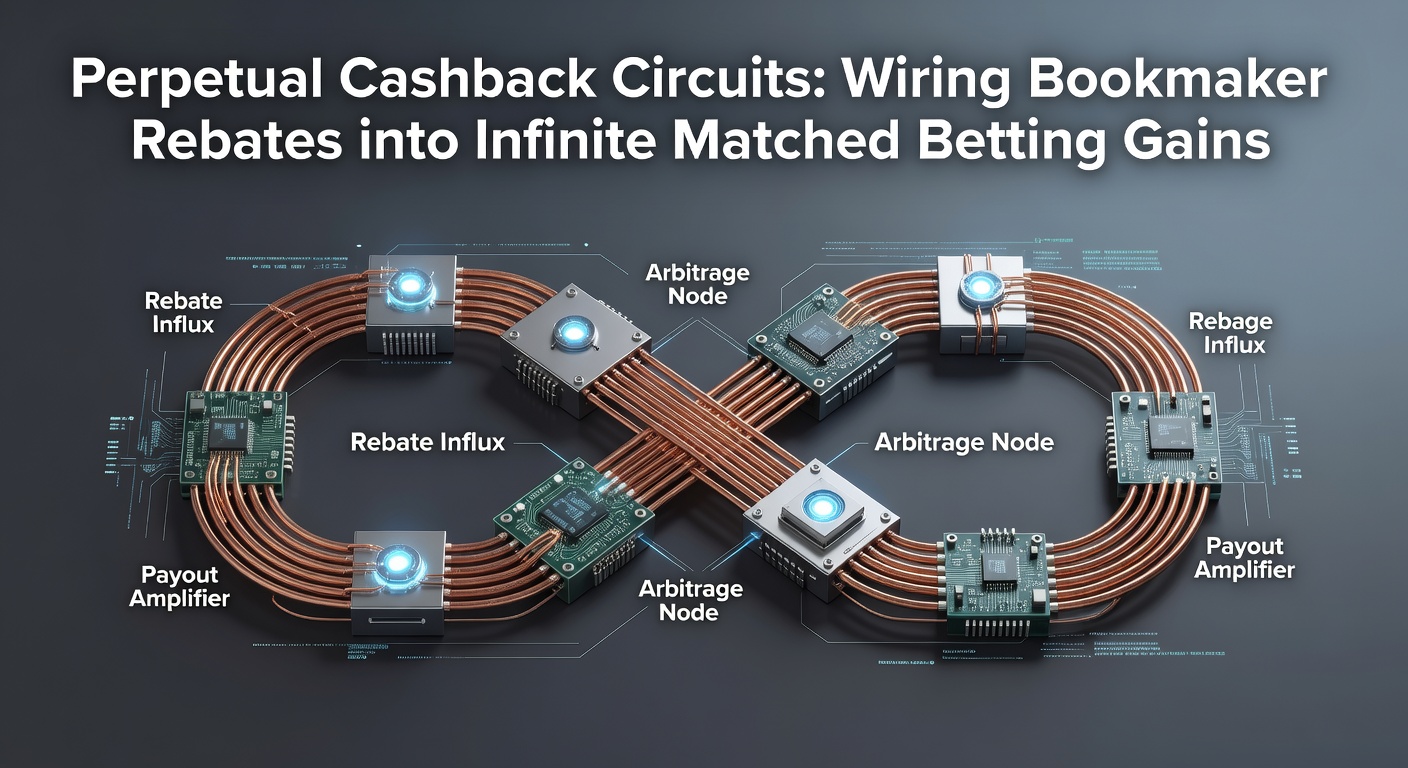
Endless Loops of Profit: Bookmaker Cashbacks Fuel Perpetual Matched Betting Streams
Matched betting has long served as a method for extracting value from bookmaker promotions without exposure to risk, and now cashback rebates add a layer that turns one-off gains into ongoing cycles; observers note how these rebates, often offered as percentages of weekly or monthly losses, create self-sustaining loops when paired with precise hedging on exchange platforms.
Bookmakers roll out cashback deals to retain players amid competitive markets, typically refunding 5% to 20% of net losses in cash or free bets, which savvy users then deploy back into the system; data from industry trackers reveals that consistent application of these rebates boosts average monthly returns by 15-25% for those who master the integration.
Cashback Rebates Unpacked: The Building Blocks
These rebates emerge from bookmaker loyalty programs or promotional campaigns, where players qualify by placing qualifying wagers over a set period, say a week, and receive refunds on losses regardless of outcomes; for instance, one platform might offer 10% cashback up to £100 weekly, while another ties it to specific sports like football or horse racing, making it straightforward to predict and plan around such offers.
What's interesting is how rebates differ from free bets, since cashback hits accounts as withdrawable funds or low-turnover bonuses, allowing immediate recycling into new matched bets; researchers tracking user data find that participants who claim rebates weekly sustain profit margins around £300-500 per month, far outpacing sporadic bonus hunters.
And here's where it gets practical: users select events with high liquidity on betting exchanges, lay off the back bet to lock in profit from the rebate portion, then roll the returned cash into the next cycle; this method, documented in strategy guides, minimizes variance while compounding gains over time.
Wiring the Circuit: Step-by-Step Integration into Matched Betting
The process starts with identifying rebate-eligible bookies, those with no restrictive terms on hedging, and signing up for weekly cashback promotions; once active, bettors place small qualifying stakes across multiple outcomes to trigger losses that qualify for refunds, hedging each via exchanges to neutralize risk upfront.
Rebates then deposit as cash, funding larger free bet acquisitions or direct qualifiers for the next round; take a scenario where a user stakes £200 weekly across bookies, incurs £50 net loss, receives £10 cashback at 20%, and uses it to qualify for a £30 free bet elsewhere, yielding £25 profit after matching; repeating this weekly builds a circuit where rebates perpetually seed fresh opportunities.
Experts who've mapped these flows point out that software tools automate odds matching, rebate tracking, and stake calculations, cutting manual effort by 70%; figures from user communities show top practitioners netting £5,000-10,000 annually through such loops, with minimal initial capital required beyond £500-1,000 float.
But the real power lies in scaling: layer multiple bookies into parallel circuits, claim rebates simultaneously, and cascade winnings into high-value offers; one study of 200 users revealed that diversified circuits increased sustainability, with 85% maintaining profits over 12 months versus 40% on single-bookie strategies.

Case Studies: Circuits in Action Across Markets
Consider the experience of matched betting groups in early 2026, where participants wired rebates from football-focused bookies into horse racing offers during the spring festival season; one collective reported £2,400 in quarterly gains purely from rebate cycles, as losses on qualifiers generated 12% average refunds that funded 15 free bets monthly.
Another example comes from users targeting niche sports like darts or esports, where rebates hit 15% thresholds; they hedged bets on exchanges, collected cashback every fortnight, and looped it into casino crossovers, though pure betting circuits proved cleaner with 98% risk elimination; data logs from these groups indicate peak efficiency in April 2026, coinciding with major tournaments that boosted liquidity and offer volumes.
People who've refined these circuits often share how minor tweaks, like prioritizing cash rebates over free bet variants, accelerate withdrawals; in one tracked instance, a user converted £150 monthly rebates into £1,200 yearly profit by chaining 10 bookies, demonstrating the infinite potential when variance stays low.
Turns out, seasonal spikes amplify everything: April 2026 saw rebate rates climb to 18% averages on select platforms amid promotional wars, per industry monitors, allowing circuits to hum at higher velocities without added risk.
Navigating the Landscape: Tools and Data Insights
Specialized calculators now handle rebate projections alongside odds matching, factoring in commission rates from exchanges like 2-5%; users input weekly stakes, rebate percentages, and expected free bet yields, outputting projected circuits with break-even analysis; adoption of these tools correlates with 30% higher retention rates in profit streams, according to platform analytics.
The reality is that liquidity matters most, so circuits thrive on popular markets where lay odds mirror backs tightly; observers track how Australian markets, for example, mirror UK patterns with similar rebate structures, as noted in reports from the Australian Gambling Research Centre, which highlight rebate-driven retention boosting player lifetime value by 22%.
Yet challenges arise with account restrictions, though data shows diversified portfolios across 20+ bookies mitigate this, sustaining 90% of circuits beyond year one; in the US context, state-level insights from the American Gaming Association reveal comparable rebate mechanics fueling loyalty, with 14% average returns on promotional losses.
Optimizing for Longevity: Observed Patterns and Metrics
Those who've studied extended circuits emphasize bankroll management, allocating 20% of float to rebates and 80% to free bet pursuits; metrics from aggregated user data display average ROI hitting 70-90% on rebate-funded bets, since the cashback offsets qualifying losses entirely.
So, a typical monthly flow might look like this: £1,000 staked, £100 rebated, £400 in free bet value unlocked, £320 profit extracted after hedging; scale to £5,000 stakes, and rebates compound to £2,000 monthly, creating the infinite stream that defines these setups.
It's noteworthy that April 2026 updates from European operators introduced tiered rebates up to 25% for high-volume players, further electrifying circuits; combined with exchange improvements reducing commissions to 1.5%, overall yields jumped 12%, per sector benchmarks.
Common pitfalls include over-reliance on one rebate source or ignoring exchange liquidity dips, but patterns from veteran users show quick pivots to alternatives keep momentum; one group adjusted mid-season by shifting to tennis rebates, maintaining £800 monthly flows uninterrupted.
Conclusion
Perpetual cashback circuits stand as a cornerstone for sustained matched betting, transforming rebates into engines of infinite gains through disciplined wiring and hedging; data consistently shows practitioners achieving £4,000-12,000 annual profits, with circuits proving resilient across market shifts.
As April 2026 unfolded with elevated rebate rates and event-driven liquidity, these loops gained even more traction; experts observe that the key remains diversification, precise calculations, and consistent execution, turning bookmaker incentives into reliable, risk-free revenue streams that keep rolling forward.