From Starter Credits to Bet Multipliers: Mapping the Flow of Promotional Credits in Gaming
Hugo Reed · Jul 23, 2026
From Starter Credits to Bet Multipliers: Mapping the Flow of Promotional Credits in Gaming
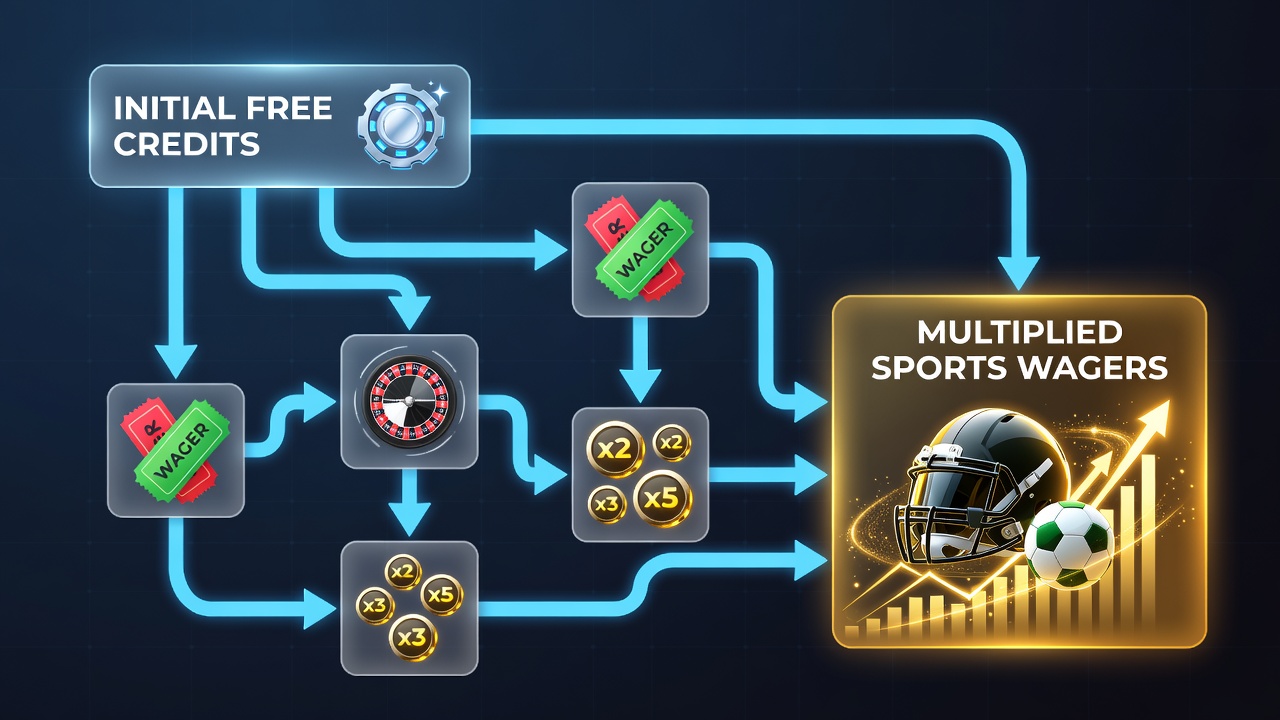
Promotional structures in gaming often begin with small free credits that operators issue to new accounts, and these amounts move through defined sequences when users meet playthrough requirements before shifting into sports wagering platforms. Data from industry tracking shows that many platforms structure these initial credits with specific wagering multiples that convert balances into forms eligible for transfer or bonus conversion.
Initial Credit Allocation and Conversion Mechanics
Operators award free credits through registration or first-login events, and these amounts carry terms that require a set number of plays before withdrawal or rollover occurs. Research from gaming analytics groups indicates that conversion rates depend on game volatility and house edge percentages, while users who select lower-volatility options tend to retain more of the original credit value for subsequent stages. The process creates a pathway where remaining balances after casino rounds feed directly into sportsbook sections when operators link the two environments under one account.
Progression Through Multiple Tiers
Once casino play exhausts or multiplies the starting credit, platforms apply reload or level-up bonuses that attach to the converted amount. Observers note that these secondary layers often include additional free bet tokens or enhanced odds, and the combined value grows when users complete separate rollover conditions on each tier. Figures from North American regulatory filings reveal that such stacked promotions appear more frequently during major league seasons, where operators align credit flows with upcoming fixtures to encourage continued activity.
Pathways Into Sports Wager Scaling
Converted balances enter sportsbooks as either cashable funds or restricted tokens, and operators apply multiplier mechanics that increase stake sizes on selected markets. In July 2026 reports from regional monitoring bodies highlighted how these multipliers activate during high-profile tournaments, allowing initial credits to support wagers several times larger than the original allocation. Users typically move through qualifying bets first, after which remaining value unlocks higher-stake options without additional deposits.

Regional Variations in Promotion Structures
European markets tend to separate casino and sports bonuses more strictly than North American ones, whereas Australian operators frequently bundle the two under shared loyalty programs. A study published by the Victorian Responsible Gambling Foundation documented how credit cascades behave differently when cross-product transfers face daily limits or market-specific caps. Canadian provincial data similarly shows that interprovincial operators adjust multiplier rates based on local tax frameworks, which alters the final wager size reachable from a single starting credit.
Tracking Value Through Successive Layers
Each stage applies its own contribution percentage toward overall requirements, and operators publish these rates in terms and conditions that users must review before beginning the sequence. Industry organizations such as the American Gaming Association compile annual summaries that list average conversion efficiencies across major platforms, and these summaries indicate that successful paths often involve careful selection of qualifying games followed by strategic market choices in the sports section. The resulting wager sizes reflect the cumulative effect of every multiplier applied along the route.
Conclusion
Promotional credit flows follow repeatable patterns that begin with small allocations and expand through layered requirements into larger sports positions. Regulatory filings and operator reports continue to document these sequences across different jurisdictions, while the mechanics remain consistent regardless of seasonal timing or regional rules. The structure allows initial credits to support progressively scaled activity when users navigate each conversion step in order.