How Sports Fixture Lists Dictate Promotional Cycles for Repeat Offers Among UK Betting Operators
Devon Schulz · Jun 2, 2026
How Sports Fixture Lists Dictate Promotional Cycles for Repeat Offers Among UK Betting Operators
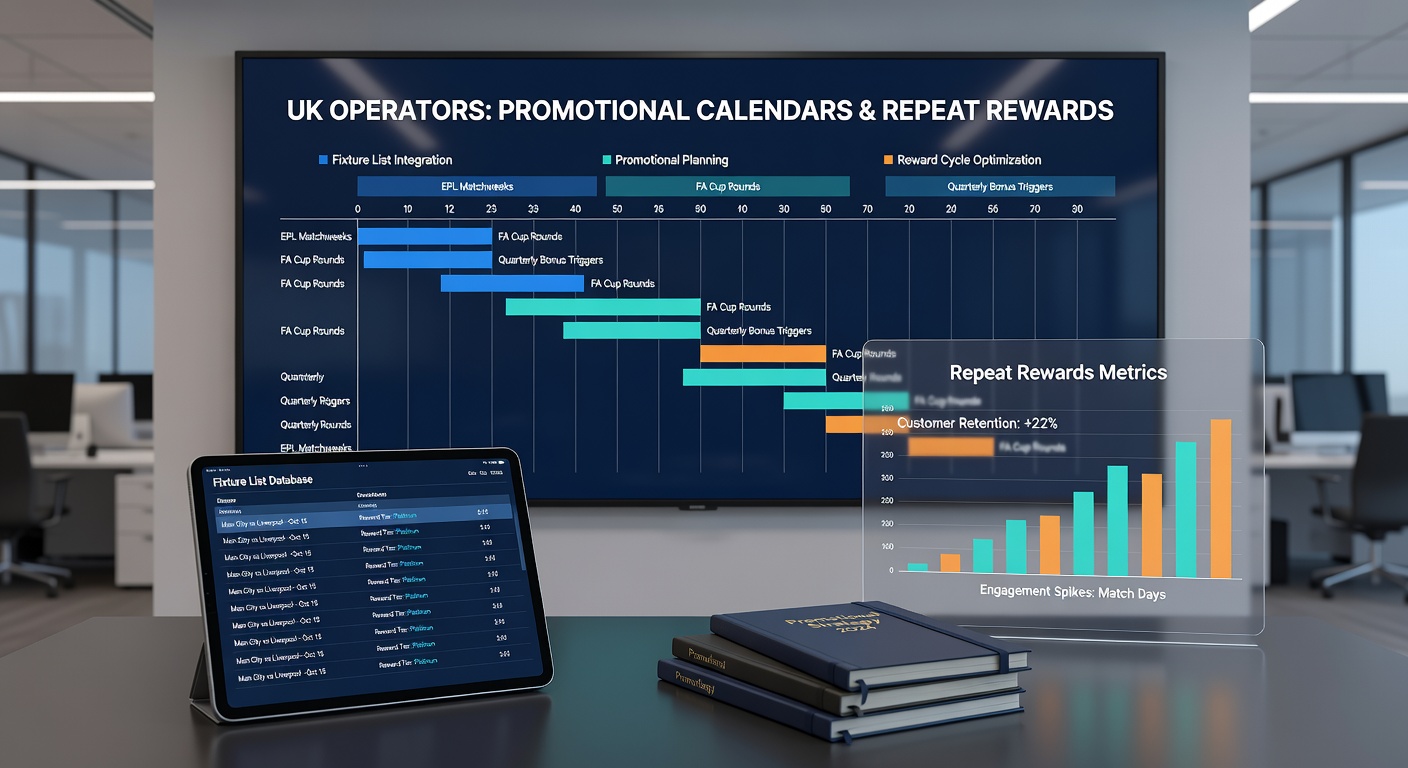
Fixture lists from major sports leagues set the pace for promotional planning at UK betting operators, and these schedules determine when reload bonuses, free bet ladders, and cashback sequences roll out to maintain customer activity through extended periods. Observers note that operators review annual calendars from the Premier League, Championship, and European competitions well in advance, then map bonus activations to key match dates and international windows to sustain engagement patterns.
Data from industry reports shows operators cluster repeat rewards around high-volume periods such as weekend double-headers and midweek cup ties, while quieter stretches receive targeted offers to prevent drops in participation. Those who track these patterns find that fixture density directly influences the timing of sequential promotions, with denser schedules prompting more frequent reload structures and sparser months seeing extended cashback chains instead.
Seasonal Fixture Density and Reward Layering
Operators examine fixture lists months ahead to identify clusters of fixtures that attract larger betting volumes, then design progressive incentive programs that build across multiple weeks. Research indicates this approach creates continuous reward pathways, where one promotion transitions into the next without gaps, and the structure aligns with periods of elevated fixture frequency. For instance, the buildup to Christmas and New Year fixtures often features stacked offers that extend through January, matching the packed domestic and European schedules.
During international breaks, when club fixtures pause, operators shift focus to national team matches or other sports, adjusting calendars accordingly to keep repeat rewards flowing. Figures reveal that these transitions prevent lulls in activity by rerouting promotions toward alternative events listed on the same overall schedule. Operators coordinate these changes with data on historical participation rates tied to specific fixture types.
June 2026 Tournament Preparations and Calendar Adjustments
With the 2026 FIFA World Cup approaching in June, UK operators have already begun incorporating preliminary qualification and warm-up fixtures into their promotional timelines. Schedules show increased activity around friendly matches and confederation tournaments in the lead-up, prompting early rollout of repeat reward sequences that span from spring into summer. This planning accounts for fixture overlaps between domestic leagues winding down and international events ramping up.
Industry analyses highlight how operators use these extended calendars to introduce multi-stage offers, where initial bonuses tied to early fixtures convert into later stages aligned with World Cup qualifiers. The result keeps reward structures active across seasonal boundaries rather than resetting at league conclusions.
Coordination Across Multiple Sports Calendars
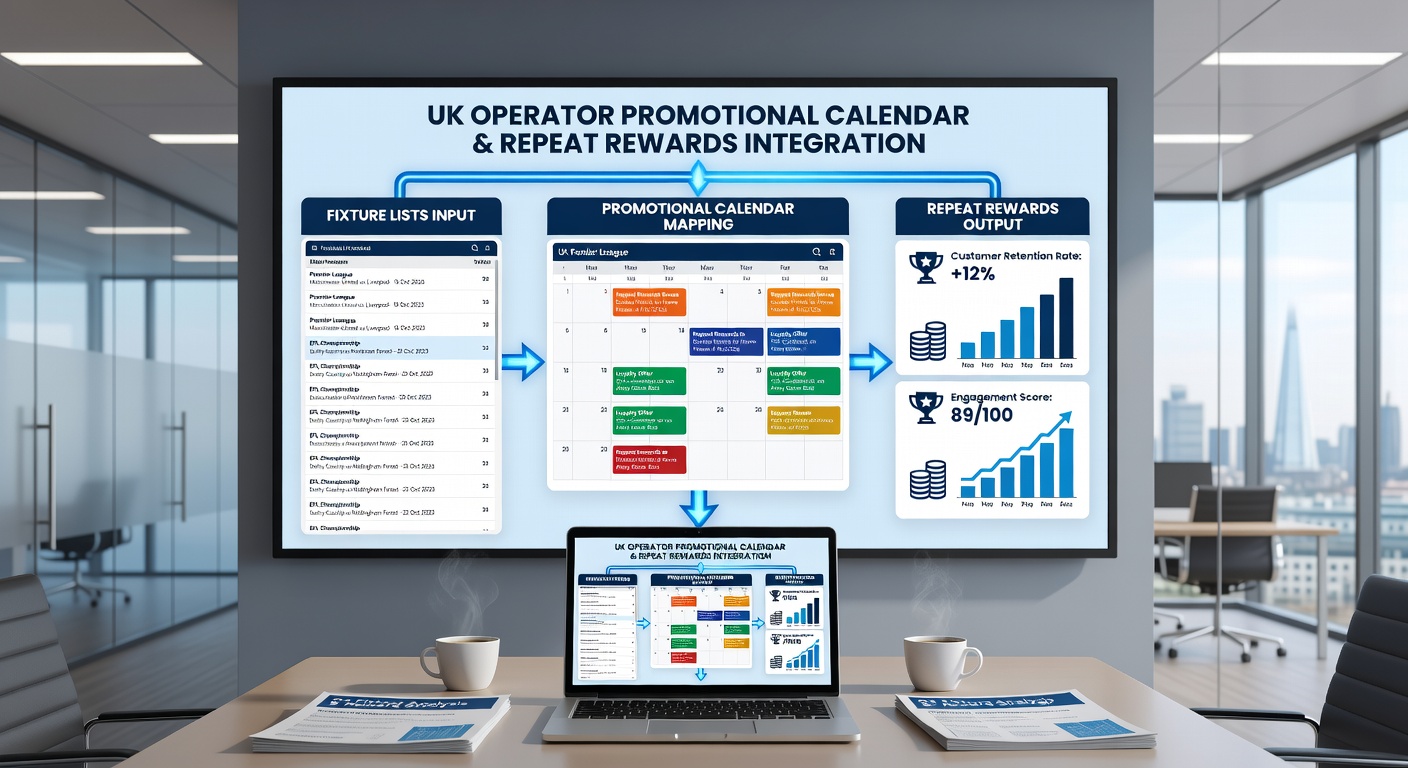
UK operators manage overlapping fixture lists from football, rugby, cricket, and horse racing, then synchronize promotional calendars to cover transitions between sports. When one sport enters a low-fixture phase, another typically provides coverage, allowing seamless shifts in repeat reward emphasis. Studies from academic sources demonstrate that this multi-sport alignment reduces gaps in promotional activity and supports sustained participation metrics throughout the year.
Operators pull data from governing bodies in different regions to refine these timelines. Australian research on seasonal betting patterns provides comparative insights into how fixture schedules influence offer frequency across markets, while reports from the American Gaming Association track similar correlations in North American sports betting calendars. These external references help operators refine UK-specific approaches without relying solely on domestic data.
Long-Term Planning and Repeat Reward Structures
Long-range fixture publications enable operators to build multi-month promotional arcs that mirror entire seasons. These arcs feature progressive elements, such as accumulating rewards that unlock additional tiers based on continued activity during specified fixture blocks. Evidence suggests operators test variations of these structures during lower-stakes periods before scaling them during major tournament windows.
Adjustments occur when fixture lists change due to postponements or rescheduling, with operators maintaining flexibility in their calendars to realign rewards quickly. This responsiveness keeps repeat offers synchronized with actual match dates rather than original plans.
Conclusion
Fixture lists serve as the foundational framework for how UK operators time and layer repeat rewards across the calendar year. By mapping promotions directly to sports schedules, operators create continuous cycles that match fixture density and seasonal shifts, including preparations around major events like the June 2026 World Cup. External research from varied regions further informs these strategies, ensuring promotional calendars remain responsive to the rhythms of multiple sports.