Layered Reward Structures Keep British Bettors Active Through Multiple Seasons of Play
Hugo Reed · May 21, 2026
Layered Reward Structures Keep British Bettors Active Through Multiple Seasons of Play
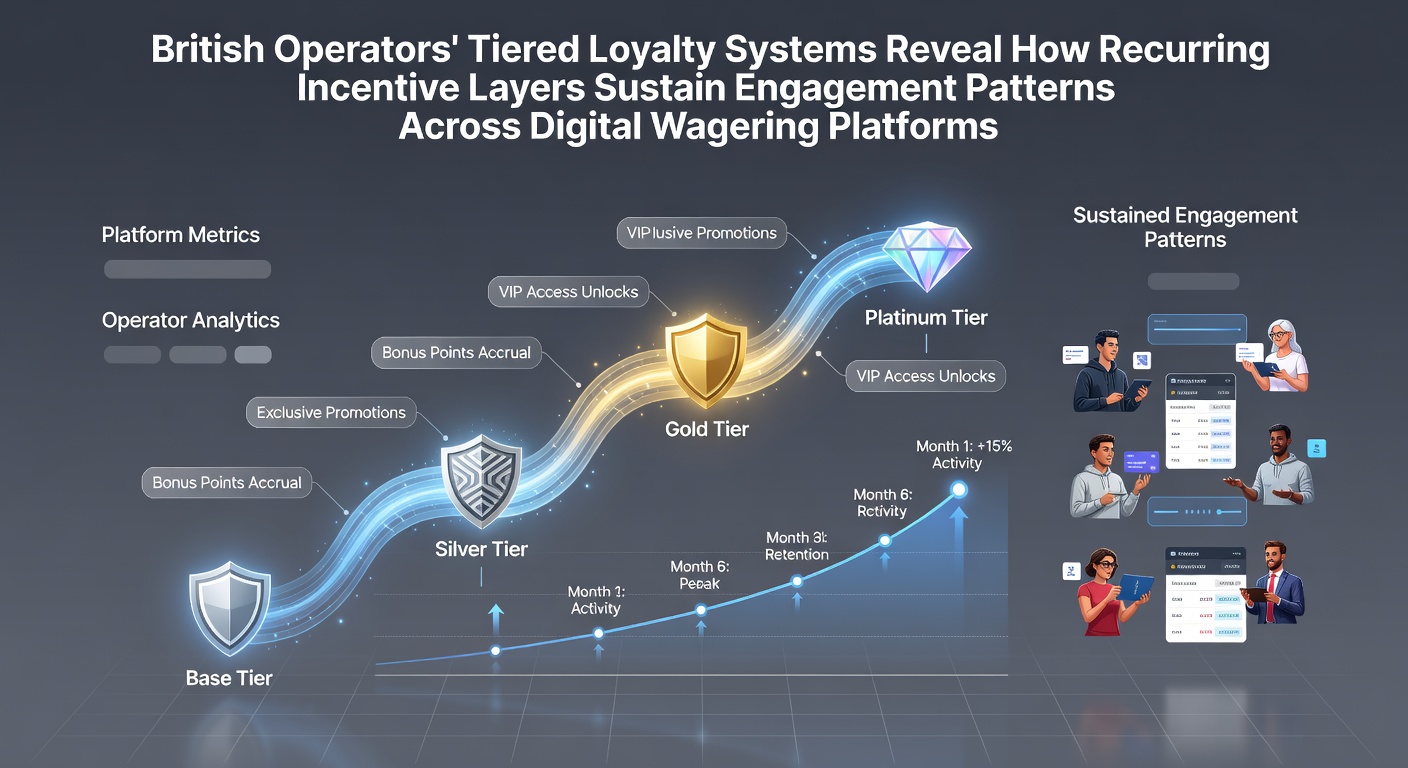
British operators have developed tiered loyalty systems that stack incentives across several levels, and these structures encourage repeated participation on digital wagering platforms. Players accumulate points from regular bets, deposits, and session activity, then progress through bronze, silver, gold, and platinum tiers that unlock escalating benefits. According to industry reports from the Canadian Gaming Association, such layered programs maintain higher retention rates because each tier adds new value without requiring players to restart their progress. Operators calculate points using a combination of stake size, frequency, and game type, which creates ongoing motivation. A player who reaches the silver tier might receive a 5 percent cashback on losses, while gold members access 10 percent returns plus faster withdrawal processing. These recurring layers operate alongside standard welcome bonuses, yet they focus on long-term habits rather than one-time sign-ups. Data from Australian gambling studies indicate that participants who enter mid-tier rewards show steadier activity patterns over six-month periods compared with those using only initial promotions.How Points Systems Translate Into Daily Engagement
Points collection happens automatically across sportsbooks and casino sections, and many platforms reset monthly or quarterly to give everyone a fresh start at lower tiers. This reset mechanism prevents stagnation while still preserving higher-status members through carry-over perks such as birthday rewards or loyalty multipliers. Observers note that the design keeps users checking their status dashboards regularly, since small daily wagers contribute toward the next threshold.
Take one platform that introduced a hybrid points system in early 2025; researchers tracked a 22 percent rise in weekly logins among users who had previously shown sporadic patterns. The same study revealed that players valued the predictability of recurring incentives, because they could forecast exactly when cashback or free bets would appear in their accounts.

Seasonal Adjustments and May 2026 Updates
By May 2026 several major British operators adjusted their loyalty calendars to align with major sporting events and summer festival periods. They introduced temporary multipliers during championship weeks, allowing silver-tier members to earn gold-level rewards for limited windows. These short-term boosts sit inside the permanent tier framework, so users who already hold higher status continue to receive their baseline advantages while newer participants accelerate their climb.
External analysis from the European Gaming and Betting Association shows that such timed layers reduce churn during quieter months, because players maintain momentum even when overall betting volumes dip. The approach also integrates with responsible gaming tools, since operators cap maximum points per day and display clear progress meters that help users track spending alongside rewards.
Cross-Platform Consistency Across Sports and Casino Products
Many loyalty programs now merge points from sportsbook bets, casino spins, and poker tournaments into a single balance. This unification means a user who switches between product types still advances through the same tiers, and operators report smoother retention figures when rewards feel interchangeable. What's interesting is how the recurring incentive layers adapt automatically, for example granting casino-only cashback to players who rarely use the sportsbook section yet remain active overall.
Those who have examined platform data across multiple operators find that platinum-tier members often receive personalized reload offers each Monday, creating a weekly anchor point that sustains engagement patterns throughout the month. These offers scale with tier status, so the incentive remains relevant whether a player stakes modest amounts or larger volumes.
Conclusion
British operators continue refining their tiered loyalty systems by testing new recurring layers and measuring how each addition affects session length and return frequency. The evidence shows these structures sustain participation across digital wagering platforms because they combine predictable benefits with achievable progression steps. As regulatory environments evolve into 2026 and beyond, the core model of stacked incentives appears likely to remain a central feature of player retention strategies.