Loyalty Programs in British Bookmaking: Examining Retention Trends and Program Structures
Frankie Frank · Jul 7, 2026
Loyalty Programs in British Bookmaking: Examining Retention Trends and Program Structures
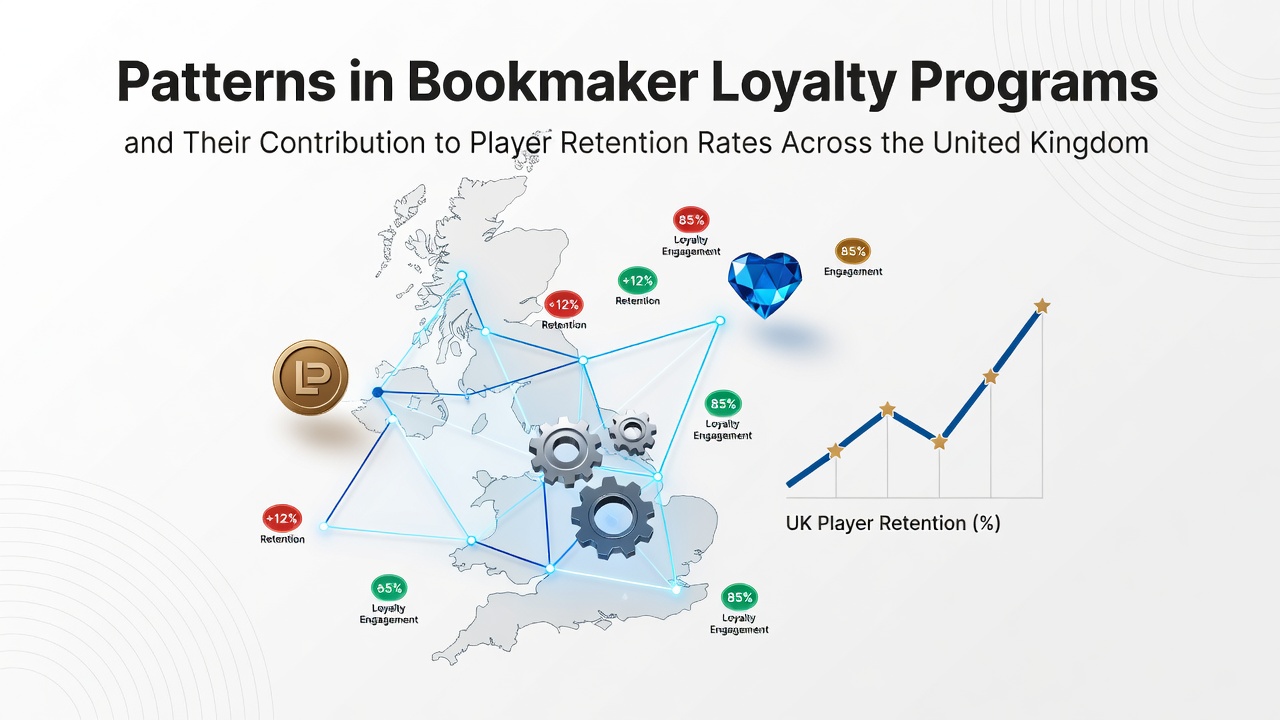
UK bookmakers have developed loyalty programs that feature tiered membership levels, points accumulation systems, and periodic reward redemptions, with participation data indicating measurable effects on how often players return to specific platforms. These structures typically award points based on betting volume and frequency, then convert those points into free bets, cashback percentages, or exclusive event access, patterns that align with retention metrics tracked across multiple operators since the mid-2010s.
Operators segment customers into bronze, silver, gold, and platinum tiers, where progression depends on cumulative stakes over rolling periods such as 30 or 90 days. Higher tiers unlock increased cashback rates that range from 5 percent at entry levels to 15 percent for top members, alongside faster withdrawal processing and dedicated account managers. Retention studies show that players reaching gold status maintain account activity at rates approximately 35 percent above those remaining in lower tiers, according to aggregated industry datasets compiled through 2025.
Core Components Observed Across Major Platforms
Points-based mechanics form the backbone of most schemes, where each pound staked generates a fixed number of points that expire after set intervals unless redeemed. Cashback offers often trigger automatically once monthly loss thresholds are met, while personalized reload bonuses appear in player inboxes based on previous deposit patterns. These elements combine to create recurring engagement loops, with operators reporting that members enrolled in full loyalty cycles place bets on 2.4 times more days per month than non-members.
Seasonal promotions tied to loyalty status further reinforce participation, such as double points weeks during major football tournaments or racing festivals. Data collected from operator portals reveals that such timed incentives correlate with temporary spikes in daily active users, followed by sustained activity levels that remain elevated for several weeks afterward. One analysis of transaction logs from 2024 through early 2026 demonstrated that participants who redeemed at least three rewards per quarter exhibited churn rates 28 percent lower than those who did not engage with the programs at all.
Retention Metrics and Program Adjustments Through Mid-2026
Industry reports compiled in July 2026 highlight adjustments to loyalty structures following shifts in player behavior data, including greater emphasis on non-monetary perks such as merchandise and event tickets for mid-tier members. Retention rates across the sector averaged 62 percent for loyalty-enrolled players compared with 41 percent for those outside the programs, according to figures released by the European Gaming and Betting Association. These differences hold across both online and retail channels, though online platforms show slightly higher conversion from points to repeat deposits.
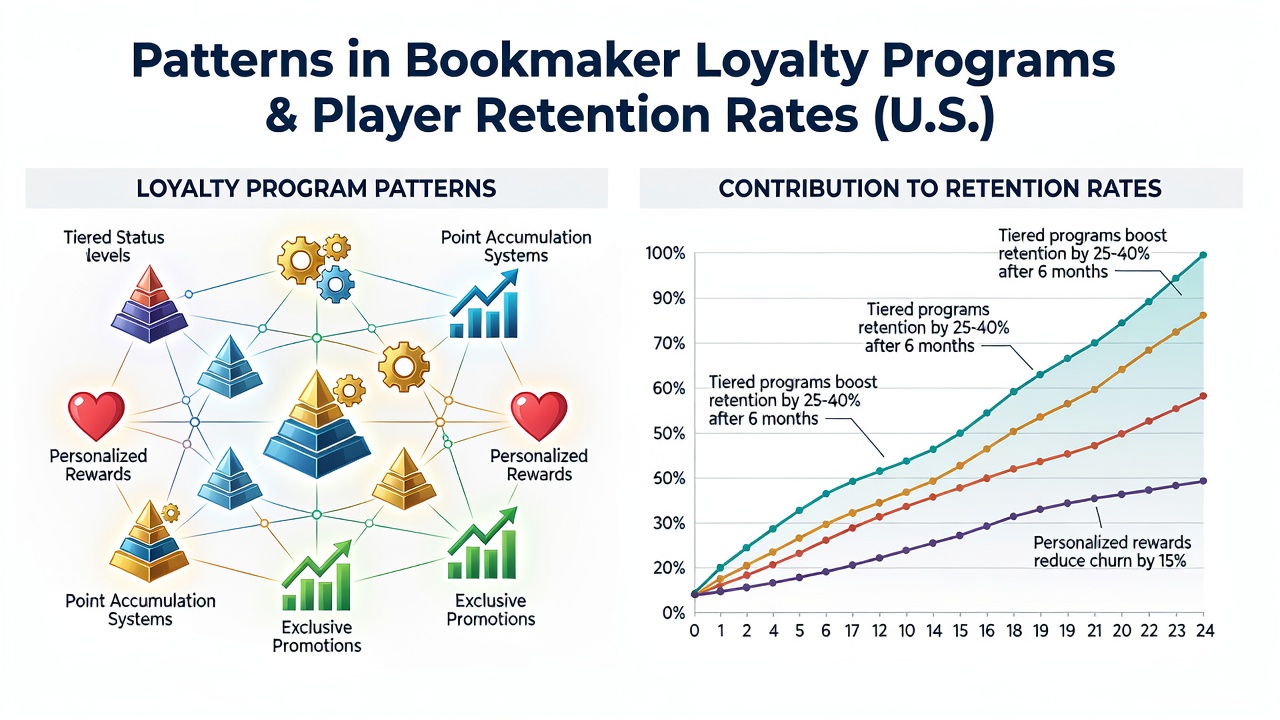
Operators have introduced mobile app integrations that notify users of impending point expirations and suggest optimal redemption windows, a feature linked to increased session lengths in user testing. Cross-operator comparisons indicate that programs offering instant reward visibility retain participants longer than those requiring manual claims, with the difference appearing most pronounced among customers aged 25 to 34. Longitudinal tracking further shows that players who advance through multiple tiers within their first six months display the strongest long-term retention, often exceeding 70 percent continued activity at the 18-month mark.
Comparative Patterns and External Benchmarks
UK schemes share structural similarities with programs operated in other regulated markets, yet differ in the speed of tier progression and the weighting given to sports versus casino play. Research from the University of Nevada's International Gaming Institute notes that UK operators allocate a higher proportion of rewards to free bet credits rather than deposit matches, a choice that aligns with local player preferences for risk-free additional stakes. This approach contributes to retention by allowing members to extend play without additional financial commitment, patterns that mirror findings in Canadian provincial data where similar credit-based systems produced comparable repeat visit increases.
Stake size distribution within loyalty frameworks reveals that mid-volume players, defined as those staking between £50 and £200 weekly, generate the largest share of redeemed rewards and demonstrate the most stable retention curves. High-volume participants reach top tiers quickly but show greater sensitivity to changes in reward percentages, while low-volume members benefit more from milestone bonuses that acknowledge consistent but modest activity. These segmented responses appear consistently across datasets gathered from multiple betting brands operating within the United Kingdom.
Conclusion
Patterns in UK bookmaker loyalty programs center on tiered progression, points conversion, and targeted incentives that collectively support higher retention among enrolled players. Metrics collected through 2026 indicate sustained differences in activity duration and frequency between members and non-members, with structural refinements such as mobile notifications and diversified rewards contributing to ongoing engagement. External comparisons with programs in other jurisdictions confirm that credit-based reward models remain effective across varied regulatory environments, providing operators with frameworks that adapt to local betting habits while maintaining measurable impacts on player return rates.