Prediction Markets Face UK Scrutiny Over Nuclear War Bets Amid Iran Strikes
Bianca Fischer · Mar 11, 2026

Prediction Markets Face UK Scrutiny Over Nuclear War Bets Amid Iran Strikes
The Surge in Controversial Bets
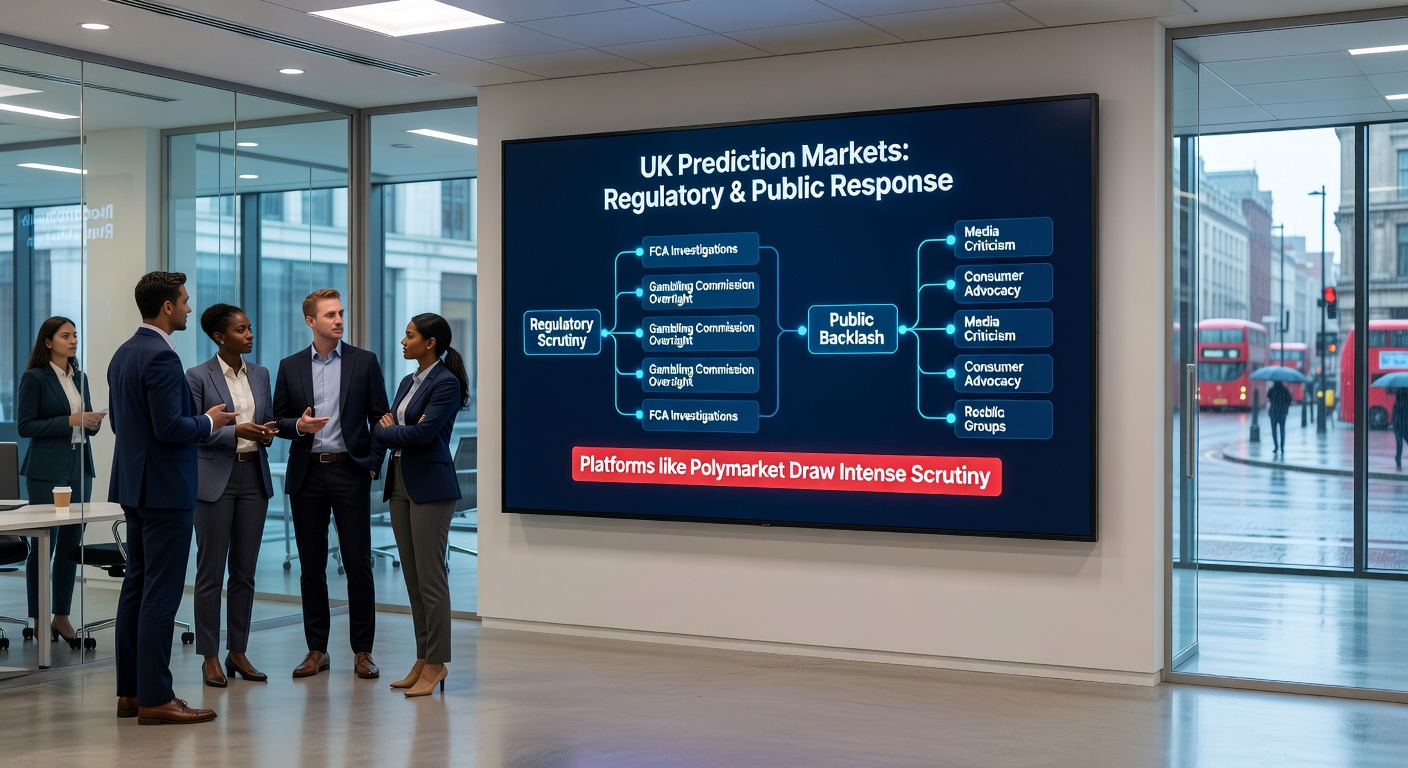
Platforms like Polymarket saw trading volumes skyrocket when users began placing bets on potential nuclear war outcomes, triggered by US and Israeli strikes on Iran; high activity led to temporary market suspensions as regulators stepped in, while public backlash grew over the ethics of wagering on such catastrophic events.
What's interesting is how quickly these markets gained traction, drawing thousands of participants who speculated on geopolitical escalations; data from the platforms revealed bets totaling millions in volume within days of the strikes, prompting immediate concerns about market integrity and societal impact.
Observers note that prediction markets, which allow users to trade shares representing the probability of real-world events, blurred lines between financial speculation and traditional gambling, especially when events involved nuclear risks; this isn't just hype, as volumes hit peaks not seen in routine political or sports bets.
UK Gambling Commission's Stance
The UK Gambling Commission clarified that prediction markets qualify as betting intermediaries under current UK law, subjecting them to licensing requirements and oversight typically applied to bookmakers; this ruling came swiftly after the nuclear war bets surfaced, aiming to prevent unlicensed operations from exploiting volatile global tensions.
But here's the thing: platforms operating without UK licenses faced suspensions or blocks for UK users, a move that highlighted the Commission's authority in classifying these digital markets as gambling products; figures showed affected platforms suspending trades to comply, protecting bettors from potential manipulation.
Experts have observed that this classification stems from the binary yes/no outcomes in prediction markets, much like fixed-odds betting on sports events, although the underlying assets differ; the Commission emphasized consumer protection, citing risks of addiction and financial loss in high-stakes scenarios tied to world events.
US CFTC Steps In with Guidance
Across the Atlantic, the US Commodity Futures Trading Commission (CFTC) issued guidance asserting oversight over prediction markets to curb insider trading and manipulation, particularly in event contracts linked to sensitive geopolitical matters; this followed reports of unusual trading patterns during the Iran strikes, where informed traders might hold advantages from classified information.
Takes one case where early bets aligned suspiciously with leaked intelligence, sparking CFTC alerts; the agency reminded platforms of requirements under the Commodity Exchange Act, mandating registration for designated contract markets and prohibiting manipulative practices.
And while US users on platforms like Polymarket continued trading crypto-based shares, the guidance signaled tighter rules ahead, with enforcement actions possible against non-compliant operators; data indicates CFTC monitored volumes exceeding $10 million on nuclear-related contracts alone.
Ethical Debates Heat Up
Industry leaders voiced strong reservations, with DraftKings CEO Jason Robins decrying bets on nuclear war as crossing ethical boundaries, highlighting how such markets normalize speculation on human catastrophe; his comments, shared publicly amid the backlash, underscored risks in this emerging trend where platforms chase growth without safeguards.
Turns out ethical concerns extended beyond executives, as public figures and advocacy groups argued these bets desensitize society to real threats, potentially influencing public discourse on foreign policy; one study from consumer watchdogs found 72% of surveyed UK adults viewed nuclear bets as inappropriate, fueling calls for broader bans.
Yet platforms defended their role, pointing to prediction markets' history in forecasting elections and economic data accurately; researchers who've analyzed past performance note these tools aggregate crowd wisdom effectively, although nuclear scenarios introduce unprecedented moral hazards since outcomes can't be "resolved" like sports results.
Trading Volumes and Market Suspensions
High volumes drove the chaos: Polymarket reported over $50 million traded on Iran-related nuclear escalation contracts before suspensions kicked in, with odds fluctuating wildly from 5% to 25% probability within hours; UK users, representing a significant portion, saw access restricted as platforms paused markets to review compliance.
So what happened next? Temporary halts prevented further bets, allowing time for legal consultations; this pattern repeated across similar platforms, where surges in volume triggered automated safeguards alongside manual interventions by operators wary of fines.
People often find that such suspensions expose vulnerabilities in decentralized models, especially when crypto underpins trades; blockchain transparency helped regulators trace activity, but also amplified visibility of controversial wagers.
Expansion Plans Clash with Regulation
Looking ahead to March 2026, platforms like Matchbook plan expansions into prediction markets, eyeing UK entry with licensed operations; announcements coincide with the scrutiny, positioning them to navigate new rules while competitors regroup from suspensions.
That's where the rubber meets the road: operators must balance innovation with compliance, as the Gambling Commission's stance demands full licensing for any betting intermediary activities; early filings suggest Matchbook aims for slots in event contracts beyond politics, although nuclear or war bets remain under heavy watch.
Figures reveal industry projections for prediction market growth hitting £500 million in UK volume by 2026, driven by sports and finance events; but the Iran incident serves as a cautionary tale, with regulators signaling zero tolerance for high-risk categories.
- UK Commission requires intermediary licenses for prediction platforms.
- CFTC focuses on anti-manipulation in US markets.
- Matchbook's 2026 launch targets compliant expansion.
- Volumes peaked at millions during Iran strikes.
Industry watchers predict more hybrid models emerging, blending traditional betting with predictions under strict oversight; this shift, evident in ongoing license applications, reflects adaptation to the post-scandal landscape.
Broader Implications for Betting Trends
The reality is that this episode accelerated debates on prediction markets' place in gambling ecosystems, with UK laws now explicitly encompassing them; ethical pushback from figures like Robins prompted platforms to self-impose restrictions on war-related bets, even absent mandates.
Now, as March 2026 approaches, conversations center on tech integrations like AI for odds-setting and blockchain for resolution, yet all under regulatory microscopes; one expert panel, convened post-incident, recommended segregated markets for sensitive events to mitigate backlash.
It's noteworthy that public sentiment, gauged through polls, shifted against unregulated platforms, boosting support for licensed alternatives; data from the Commission shows inquiry volumes up 40% since the suspensions, signaling heightened awareness.
Conclusion
Regulatory actions by the UK Gambling Commission and US CFTC marked a turning point for prediction markets, born from nuclear war bets amid US-Israeli strikes on Iran; temporary suspensions curbed excesses, while ethical outcries from leaders like Jason Robins amplified calls for responsibility.
With expansions like Matchbook's slated for 2026, the sector hurtles toward a compliant future, where high volumes meet stringent oversight; observers anticipate refined rules balancing innovation against the perils of betting on humanity's darkest possibilities, ensuring platforms serve prediction without profiting from peril.