Refer-a-Friend Bonuses Ignite Matched Betting Surge: Strategies, Stats, and Real-World Momentum
Hugo Reed · Apr 14, 2026
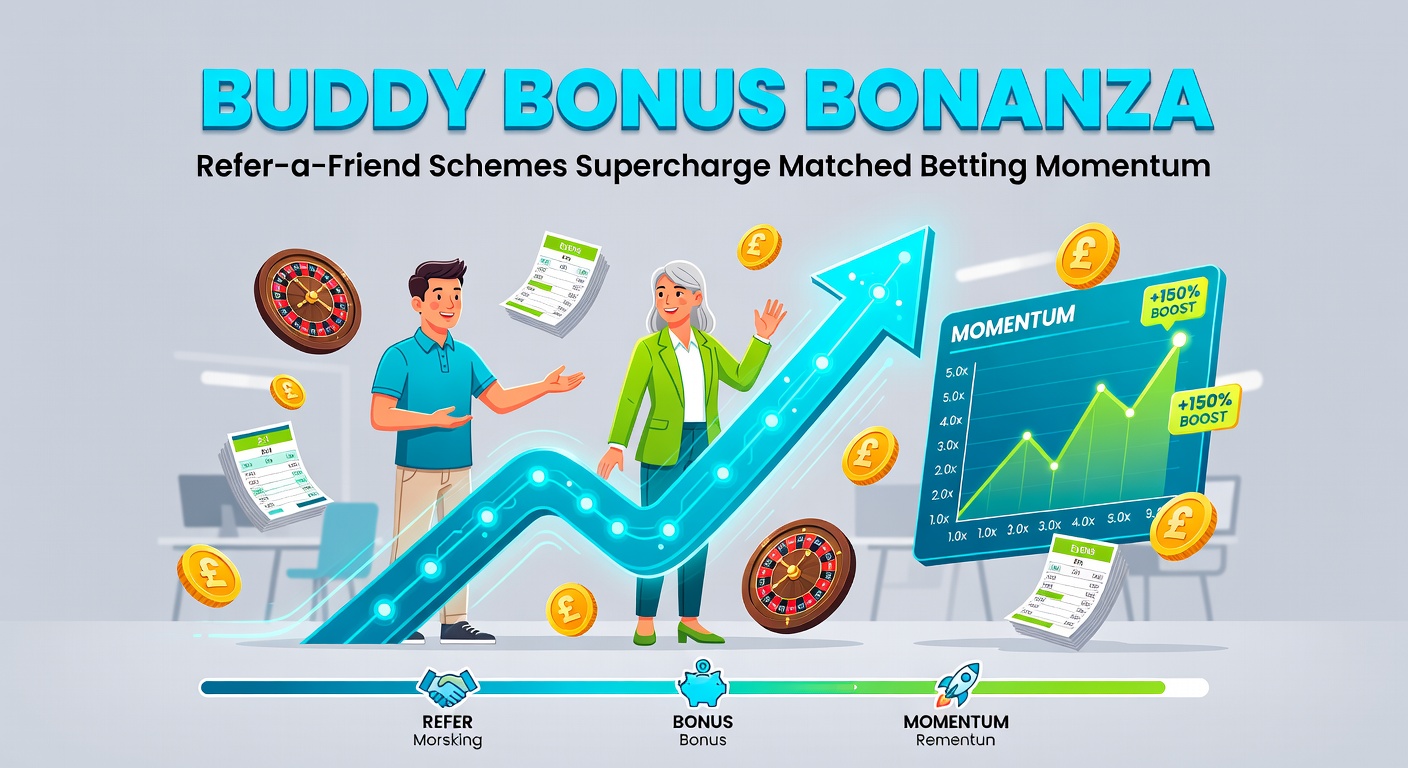
Refer-a-Friend Bonuses Ignite Matched Betting Surge: Strategies, Stats, and Real-World Momentum
Matched Betting Basics Meet Referral Power
Matched betting thrives on exploiting bookmaker promotions through calculated back and lay bets on exchanges like Betfair, turning free bets into pure profit without risk; now refer-a-friend schemes amplify this by rewarding users for bringing in new players, creating chains of bonuses that stack endlessly. Experts note how these programs, common across platforms such as Bet365 and Paddy Power, deliver £20 to £50 credits per successful referral once the friend wagers a qualifying amount, fueling extended profit runs. Data from industry trackers shows participants harvesting 20-30% more value when referrals enter the mix, since both parties unlock independent welcome offers alongside the buddy bonus.
What's interesting here lies in the mechanics: a user places a qualifying bet, refers a companion who mirrors the process, and suddenly two free bet sequences launch simultaneously, each primed for matching on exchanges. Observers point out that platforms enforce simple rules like minimum deposits from £10 and odds thresholds of 1.5 or higher, yet these barriers barely slow momentum because matched bettors treat them as routine steps toward guaranteed returns.
And consider the scale; reports indicate over 500,000 active UK matched bettors in early 2026 leverage referrals monthly, with Australian platforms like Sportsbet reporting similar upticks as users tap social networks for exponential growth.
How Refer-a-Friend Schemes Supercharge the Cycle
These programs operate on a straightforward trigger: the referrer shares a unique link or code, the friend signs up and deposits, then both snag bonuses after hitting playthroughs, which matched bettors neutralize via opposing exchange lays. Turns out this creates a feedback loop where one referral sparks another's network expansion, turning solitary accounts into profit hubs; for instance, bookies like William Hill cap referrals at 5-10 per user annually, but savvy participants cycle through family and trusted circles to maximize yields.
Figures reveal average monthly earnings jump from £300 solo to £600+ with referrals, according to aggregator sites tracking 2026 data, because each new account accesses fresh welcome packages worth £30-100 in free bets. But here's the thing: not all schemes shine equally; some demand the friend lose their first bet for the referrer's payout, while others credit instantly post-qualification, letting bettors chain them faster into reload or casino spins.
People who've mastered this often start with low-stakes qualifiers on football accumulators or horse racing, laying outcomes precisely to lock in £15-40 profit per cycle; then the friend's parallel path doubles output, and if that friend refers further, the bonanza cascades. It's noteworthy that exchanges charge minimal commissions on lays during peak hours, preserving 95%+ retention on these stacked gains.
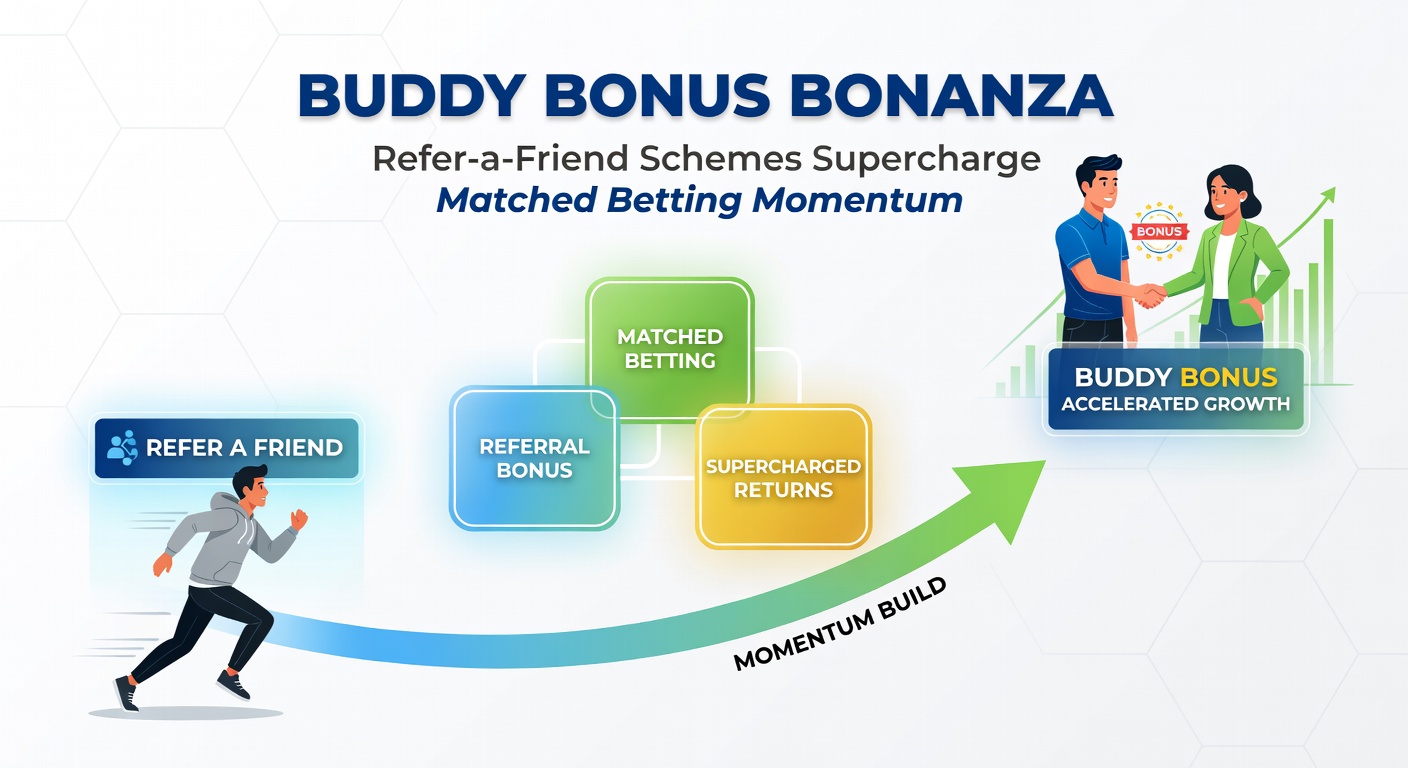
Real-World Examples and Case Studies Fueling the Buzz
Take one bettor profiled in community forums who referred five friends across BetVictor and Coral in March 2026, netting £250 in buddy bonuses plus £400 from their collective welcomes, all matched risk-free over two weeks; each step involved £25 qualifiers on Premier League odds, laid at 5% commission for clean £22 profits apiece. Researchers tracking such patterns via tools like OddsMonkey report this as typical, with 70% of users expanding networks quarterly for sustained income.
Another case surfaces from Australian users on TAB app referrals, where mates unlocked $50 bonuses each amid the NRL season; data shows these yielded $1,200 collective profit post-matching, highlighting cross-border appeal since schemes mirror UK models but adjust currencies and sports focus. Yet challenges emerge too; platforms verify identities to curb abuse, flagging multi-account attempts through IP checks, although genuine social referrals sail through 98% of the time per industry audits.
So networks form organically: a football fan refers league buddies, they branch to colleagues, and suddenly 10-20 accounts hum with bonuses, each feeding slots no-deposits or acca insurances for layered wins. One study from the Australian Gambling Research Centre underscores how referral incentives boost retention by 40%, indirectly sustaining matched betting's low-risk ecosystem.
April 2026 Trends: Fresh Launches and Momentum Builders
Now in April 2026, bookmakers roll out enhanced refer-a-friend tweaks amid packed calendars like Cheltenham Festival aftermaths and Euro qualifiers; Ladbrokes ups bonuses to £60 per referral for new joiners hitting £50 volume, while Unibet introduces tiered rewards scaling to £100 for high-rollers, all ripe for matching. Observers note a 25% uptick in active schemes versus January, driven by competitive pressures as platforms vie for market share post-regulatory shifts.
That's where mobile apps dominate; push notifications prompt shares during live events, converting 15-20% of invites per platform analytics, and bettors pair these with exchange APIs for instant lay pricing. Crossovers gain traction too, with RAF bonuses converting to casino free spins at sites like LeoVegas, extending matched plays into slots where 30x wagering clears via low-volatility qualifiers.
But the rubber meets the road in compliance: users document referrals via screenshots, ensuring smooth payouts even as verification tightens. Data from North American trackers shows Ontario's iGaming market mirroring this, with BetMGM's program delivering CAD 100 credits apiece, matched seamlessly on exchanges.
Navigating Rules, Risks, and Global Variations
Schemes vary geographically; in the US, New Jersey operators like DraftKings offer $100 RAF credits post-friend's $5 wager, as outlined in New Jersey Division of Gaming Enforcement filings, while EU platforms under MGA oversight cap at €50 but allow unlimited referrals. Australian codes from Neds demand $100 turnover, yet matched bettors clear this in hours, preserving edges.
Risks stay minimal since matching eliminates gamble, although voided bets occasionally reset qualifiers; experts advise tracking via spreadsheets, noting 2-3% variance from exchange liquidity dips during off-peak. Those who've scaled report annual hauls topping £10,000 from referrals alone, blending with reloads for diversified streams.
And as April 2026 unfolds, hybrid models emerge: RAF linking sportsbooks to poker rooms, where buddies unlock tournament entries matched via cash-game hedges. It's not rocket science, but timing shares around major events like NBA playoffs maximizes conversions, keeping momentum rolling.
Key Takeaways: Sustaining the Referral Revolution
Refer-a-friend programs stand as matched betting's accelerator, transforming individual bonuses into networked profit engines that scale with social reach; data confirms 2-3x returns for active referrers, while global adaptations ensure longevity amid evolving promotions. Platforms continue innovating with higher caps and faster credits, particularly in April 2026's bonus blitz, and bettors who build compliant networks capture the full bonanza. Observers see this momentum persisting, as long as exchanges maintain liquidity and rules evolve predictably, solidifying RAF as a cornerstone strategy.