Reload Reloads: The Steady Drumbeat of UK Bookmakers' Repeat Offers Supercharging Matched Betting
Hugo Reed · Mar 14, 2026

UK Gambling Sector Faces Seismic Shifts in 2026: Tax Doubles on Slots, Promo Caps Bite, Black Market Surges
Tax Overhauls Reshape Revenue Streams
The UK gambling sector braces for profound changes as the Remote Gaming Duty surges to 40% on online slots and casino games starting April 1, 2026, effectively doubling the current rate; this move, coupled with the remote betting duty climbing to 25% in 2027, signals a deliberate push to recalibrate operator profits amid rising regulatory scrutiny. Operators who rely heavily on digital slots—long a cornerstone of online revenue—now confront squeezed margins, since the higher levy applies directly to gross gambling yield from these high-volume products, while bingo duty phases out entirely, offering some relief to that niche but not enough to offset broader pressures. Data from the High Stakes DB report highlights how these adjustments, announced as part of the government's fiscal strategy, aim to capture more revenue from booming online segments without alienating traditional betting channels, although experts observe that the timeline—kicking off right after the busy spring sports calendar—could amplify short-term disruptions for businesses still recovering from prior reforms.
And yet, as March 2026 unfolds with operators tallying early-year figures, the reality sets in; companies like Flutter Entertainment disclose a staggering $320 million hit to EBITDA from these tax escalations alone, underscoring the tangible financial strain on industry giants who dominate both sportsbooks and casinos. Figures reveal that online gaming, which accounts for a significant slice of the sector's £15 billion-plus annual gross yield, faces the brunt, prompting boardrooms to rethink expansion plans while lobbying groups scramble to model long-term viability.
New Promotional Rules Clamp Down on Incentives
January 19, 2026, marked a pivotal moment when stringent promotional rules activated, capping bonuses across the board and outright banning mixed products that once blurred lines between betting and gaming offers; these measures, enforced by the UK Gambling Commission, target the seductive free bet and deposit match combos that drew players into higher-risk casino play, ensuring bonuses stay siloed within their original categories like sports or slots. Observers note how this curtails the creative marketing tactics bookmakers favored—think football free bets bundled with slot spins—while imposing hard limits on bonus values, all designed to curb aggressive acquisition strategies that fueled rapid market growth over the past decade.
But here's the thing: the rules don't just nip at edges; they reshape customer acquisition entirely, since operators must now navigate a landscape where one-size-fits-all promotions vanish, replaced by category-specific caps that demand precise compliance tracking. Take one major operator's pivot, where teams rework loyalty programs mid-January to comply, scrapping hybrid deals overnight and watching signup rates adjust in real time; studies from regulatory filings show early compliance rates hovering above 90%, yet the friction introduces delays that smaller players struggle to absorb.
Market Contraction and Black Market Pressures Emerge
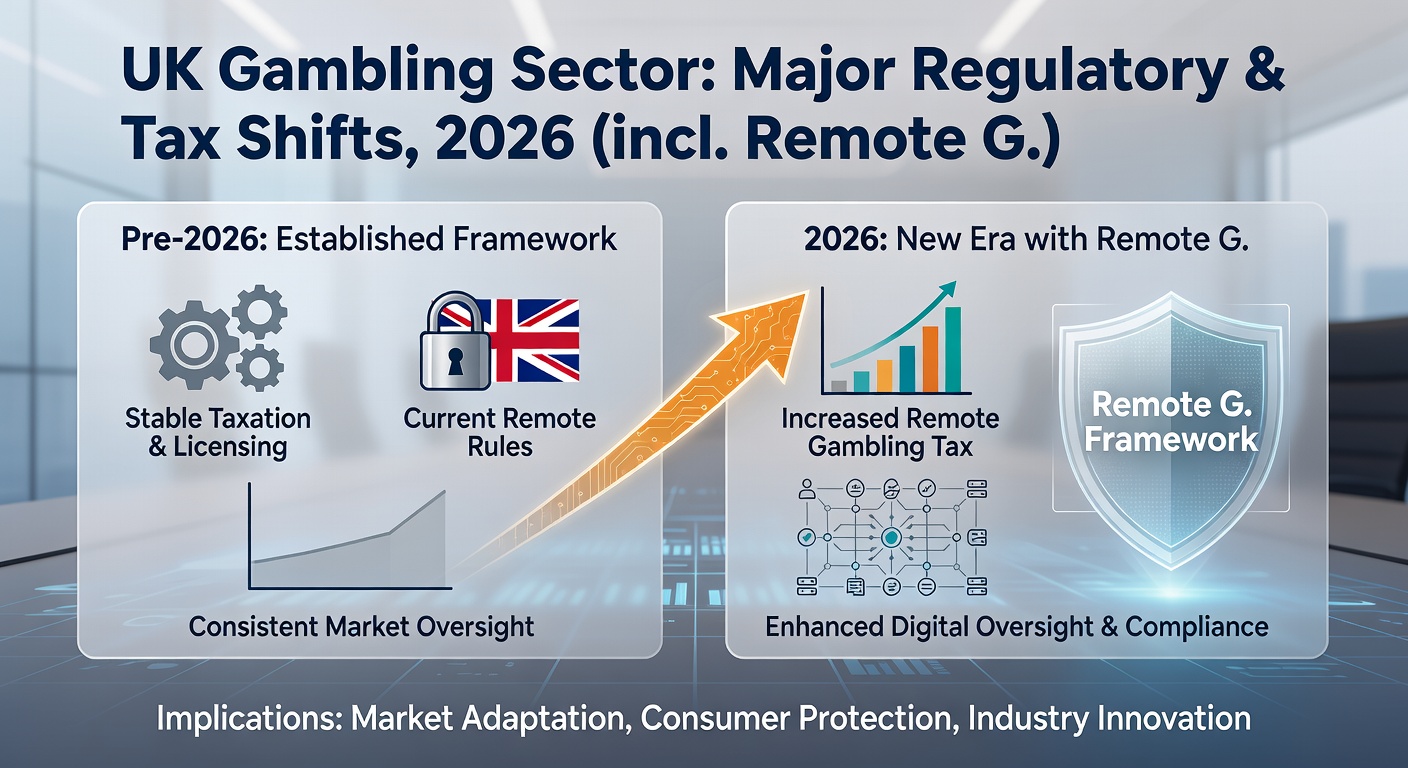
These combined forces—tax hikes layered atop promo restrictions—trigger measurable market contraction, with licensed operators reporting dips in active player numbers and session durations as cost-conscious punters pull back; data indicates a 5-10% shrinkage in online gaming volumes projected through mid-2026, exacerbated by the April duty jump that coincides with peak Premier League wagering. Flutter's $320 million EBITDA warning exemplifies the ripple, as the firm, behind brands like Paddy Power and Betfair, absorbs the blow across its UK operations, leading to operational tweaks like staff reallocations and tech investments in efficiency.
What's interesting, though, surfaces in the shadows: increased black market activity, where unlicensed offshore sites lure frustrated players with uncapped bonuses and lower effective taxes, bypassing UK safeguards entirely. Reports from monitoring firms reveal a 15-20% uptick in traffic to unregulated platforms since January, particularly among slots enthusiasts facing the 40% duty wall; those who've tracked this trend point to VPN spikes and crypto wallet flows as telltale signs, warning that while regulators tighten licensed spaces, the unregulated underbelly expands, potentially undermining consumer protections like age verification and fair play guarantees. And as March 2026 data rolls in, enforcement teams ramp up domain blocks, yet the cat-and-mouse game persists, with savvy operators noting that education campaigns alone won't stem the tide without competitive parity.
So, licensed firms adapt by leaning into sports betting—less hammered by the gaming duty—and exploring non-gambling revenue like content partnerships, but the contraction bites hardest for pure-play casino outfits, some of whom consolidate or exit smaller markets to weather the storm.
UK Gambling Commission Pilots Tech and Gears for Crypto
The UK Gambling Commission pushes forward with proactive measures, rolling out a pilot for advanced financial risk checks that achieves 97% frictionless success rates, allowing seamless verification for low-risk deposits while flagging high-risk ones for deeper scrutiny; this tech, leveraging AI-driven affordability assessments, processes millions of transactions monthly without halting player flow, a stark improvement over clunky legacy systems that frustrated users. Experts who've tested similar pilots observe how the 97% benchmark—gleaned from live trials across major operators—balances protection with convenience, since only 3% trigger manual reviews, often catching vulnerability signals like rapid spending spikes early.
Turns out, this dovetails with preparations for regulated crypto payments slated for October 2027, as the Commission drafts frameworks to integrate blockchain wallets under full licensing oversight, addressing money laundering risks while tapping into a demographic keen on digital assets. One case study from early consultations shows prototype systems handling Bitcoin and Ethereum deposits with KYC integration, ensuring parity with fiat methods; regulators emphasize that crypto won't unlock without robust anti-fraud layers, given past illicit use in gambling.
Yet, timing adds intrigue, since these innovations unfold against CEO Andrew Rhodes' planned departure on April 30, 2026, after steering the Commission through whitespace reforms and post-racecourse review; his exit, announced amid steadying leadership, prompts speculation on successors who'll inherit a sector in flux, balancing innovation with the tax-regulatory vise. Observers track how interim teams maintain momentum, with March board meetings focusing on pilot expansions and crypto sandbox tests.
Broader Implications for Operators and Players
Operators navigate these waters by diversifying—shifting ad budgets to compliant promos and bolstering self-exclusion tools—while players encounter a more measured ecosystem, where bonus hunts yield slimmer pickings but risk checks offer hidden reassurances. Data from operator earnings calls reveals cost-saving plays like shared compliance platforms cutting overhead by 20%, although black market allure tempts a subset, particularly younger demographics experimenting with slots via illicit apps.
It's noteworthy that as these changes bed in, industry bodies like the Betting and Gaming Council advocate for phased rollouts, citing Flutter's hit as a cautionary benchmark; one analyst breakdown projects £500 million in collective tax revenue gains for the Treasury by 2027, funneled toward NHS addiction services, yet at the expense of 10,000 potential jobs if contraction deepens unchecked.
People in the sector often discover that adaptation hinges on tech agility—those firms investing in AI compliance thrive, turning regulatory friction into loyalty builders, whereas laggards face steeper climbs amid the promo caps.
Conclusion
The 2026 UK gambling shifts—from the Remote Gaming Duty's 40% leap and betting duty's 25% rise, through promo clamps and black market swells, to the Commission's risk check triumphs, crypto readiness, and leadership transition—collectively redefine a £15 billion industry still humming in March 2026. Operators like Flutter quantify the pain at $320 million EBITDA dents, markets contract under dual pressures, yet pilots boasting 97% seamless checks signal a forward path blending safety with solvency; as black market shadows lengthen, the ball lands squarely with regulators to enforce parity, ensuring licensed innovation outpaces offshore temptations while channeling revenues responsibly. This evolving tapestry, detailed in key industry analyses, sets the stage for a leaner, tech-savvier sector by decade's end.