Strategic Timing for Sequential Offer Maximization in Matched Betting Chains
Frankie Frank · Jun 4, 2026
Strategic Timing for Sequential Offer Maximization in Matched Betting Chains
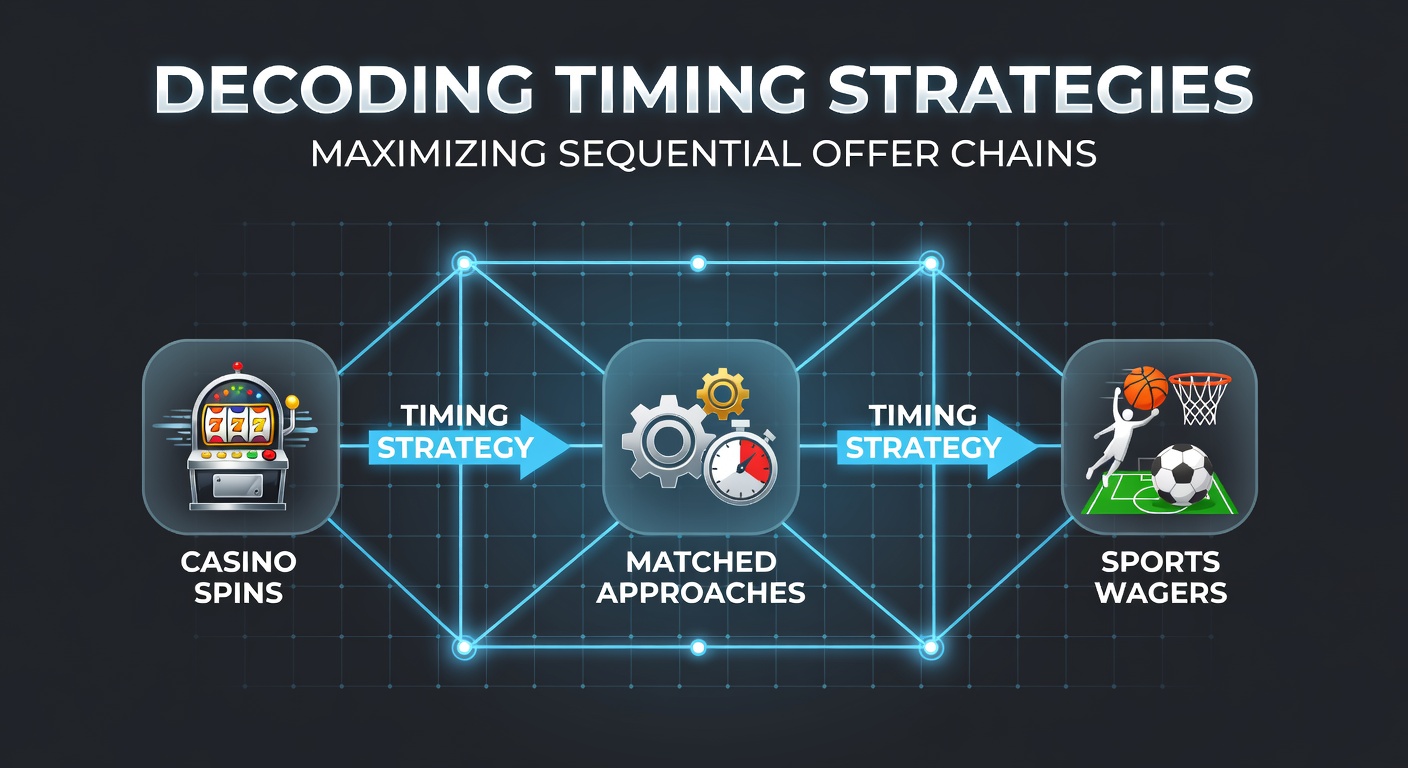
Operators structure promotional sequences where casino spins initiate chains that transition into sports wagers, and timing determines how those sequences unfold across accounts. Research from the Canadian Gaming Association shows operators release no-deposit spins on specific weekdays while sports free bet codes activate during major fixture windows, creating windows that last between 24 and 72 hours depending on the operator's calendar.
Mapping Offer Activation Windows
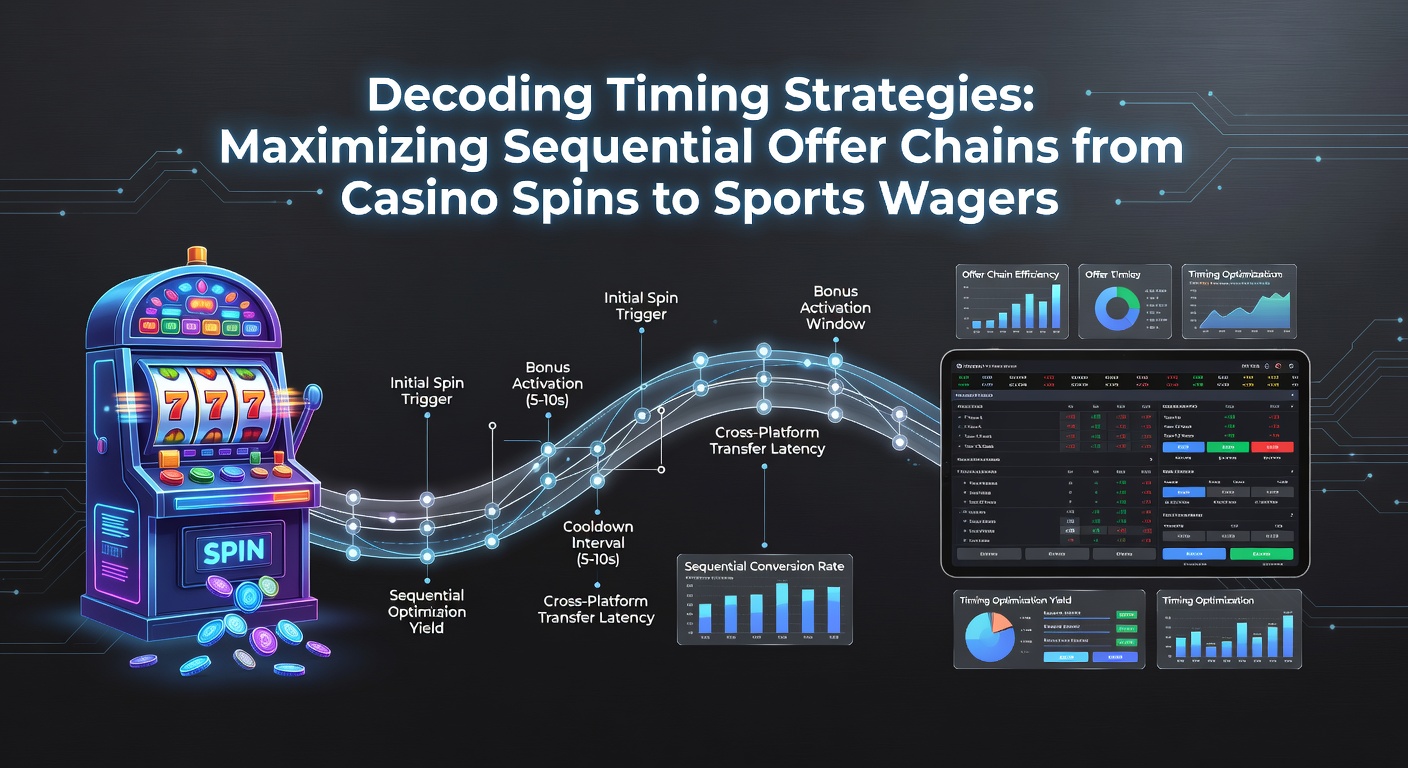
Each stage of a sequential chain carries its own expiry rules, so alignment matters. Casino spins typically require completion within seven days, after which converted winnings become eligible for sports wager conversion, whereas sports free bets often expire in 14 to 30 days. Observers note that operators stagger these deadlines deliberately, and data indicates players who activate spins early in the week gain extra buffer time before sports events peak on weekends.
June 2026 fixture lists already published by major European leagues reveal clustered midweek matches that coincide with several operators' reload cycles, allowing spin-to-wager transitions to occur without extended gaps. Those who've tracked these patterns across multiple seasons report that monitoring league schedules alongside operator calendars reduces missed conversions.
Transition Mechanics from Spins to Wagers
Conversion mechanics require spins to produce qualifying winnings before they unlock sports segments. Most operators set minimum thresholds between £10 and £25, and once met, the same account balance carries forward into sports free bet eligibility. Industry reports from the Australian Communications and Media Authority confirm that operators track these balances automatically, yet manual verification steps sometimes introduce one-day delays that affect subsequent wager placement.
Key Variables Affecting Chain Continuity
- Spin expiry dates versus sports event start times
- Minimum stake requirements on converted funds
- Account verification checkpoints that pause progression
- Regional regulatory caps on bonus stacking frequency
Figures released by the European Gaming and Betting Association reveal that chains lasting longer than 10 days show lower completion rates because intermediate steps accumulate additional terms. Players therefore focus on operators whose systems allow instant balance transfer once spin thresholds clear.
Calendar Alignment Techniques
Successful sequences depend on matching spin activation dates with upcoming sports fixtures that carry high liquidity. When a major tennis tournament or football league round overlaps with spin expiry, operators often extend sports free bet validity by several days. Data compiled by the University of Nevada Gaming Research Center indicates that such extensions occur most frequently during June and July when international competitions dominate schedules.
Operators publish terms that list eligible markets for converted free bets, and those terms sometimes restrict certain leagues or bet types. Checking these restrictions before initiating spins prevents situations where winnings cannot transfer into qualifying wagers. Multiple operators now embed automated alerts that flag upcoming expiry dates, reducing reliance on manual tracking.
Regulatory and Operational Constraints
Regional rules influence how long chains can extend. Certain jurisdictions limit the number of sequential bonuses per account within a 30-day period, while others require separate verification for each product vertical. A 2025 report from the New Zealand Department of Internal Affairs notes that operators must clearly separate casino and sports bonus ledgers, which affects how quickly funds move between verticals.
Verification processes introduce additional timing considerations. Identity checks completed in advance allow immediate progression once spins convert, whereas pending documentation halts the chain at the transition point. Operators that offer pre-verification options therefore support longer, uninterrupted sequences.
Conclusion
Sequential offer chains function through precise coordination of activation dates, expiry rules, and fixture calendars. Data from multiple regulatory bodies demonstrates that players who map these elements in advance complete more transitions without interruption. Continued publication of fixture lists and operator calendars provides the factual basis for planning such sequences across different regions and seasons.