Tiered Rewards Systems Among UK Bookmakers: Patterns of Progression Through Sustained Activity
Frankie Frank · May 28, 2026
Tiered Rewards Systems Among UK Bookmakers: Patterns of Progression Through Sustained Activity
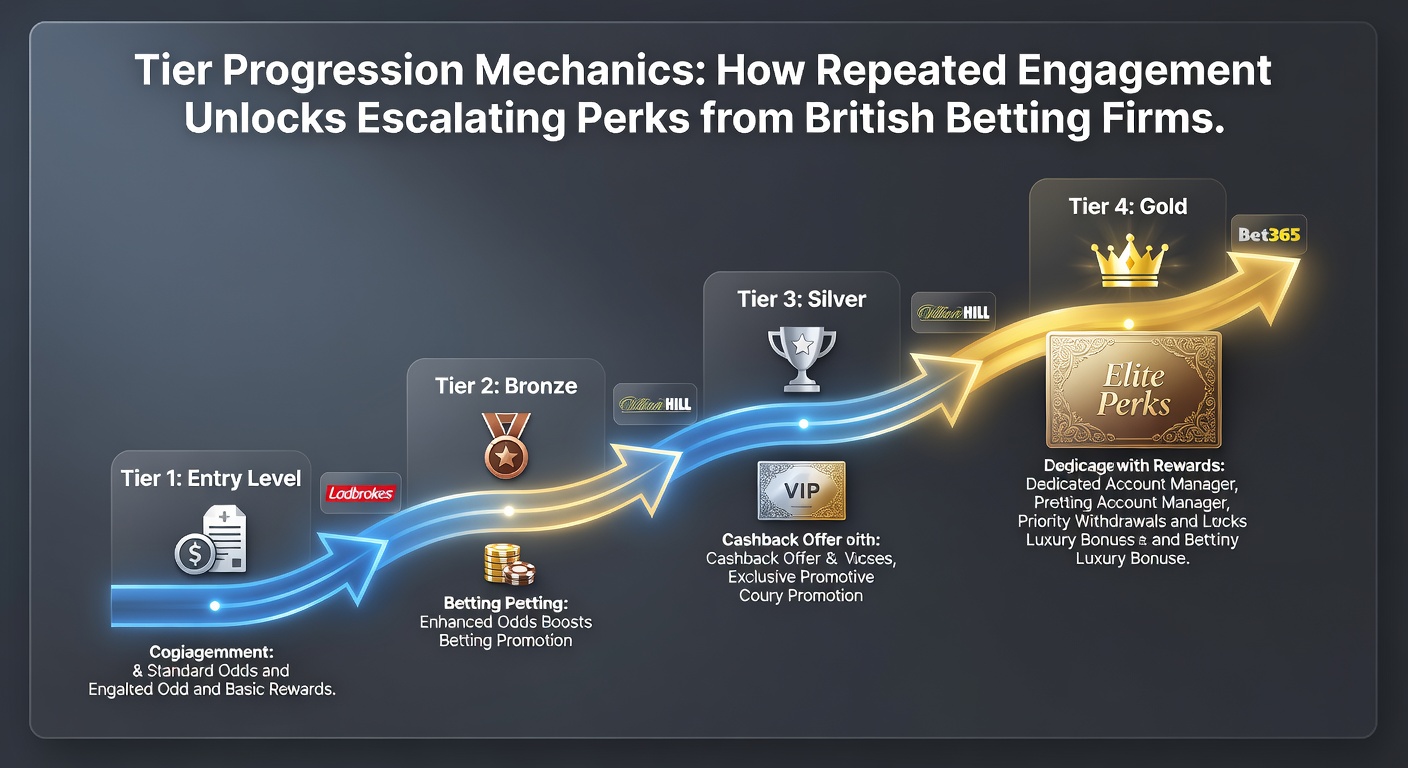
British betting firms operate structured loyalty programs where repeated customer activity triggers automatic advancement through defined tiers, each unlocking additional benefits such as enhanced cashback rates, priority customer support, and exclusive promotional access. These systems track metrics including total stakes placed, frequency of deposits, and overall account engagement over set periods, typically measured in months or rolling quarters. Data from multiple operators indicates that participants who maintain consistent wagering volumes often reach mid-level tiers within three to six months, at which point reward multipliers increase by 25 to 50 percent compared to entry-level status.
Mechanics behind these progressions rely on transparent yet algorithmic calculations that factor in both volume and consistency, so sporadic high-stakes sessions rarely accelerate advancement as effectively as steady, moderate activity. Operators publish clear criteria on their platforms, allowing users to monitor current standing through account dashboards that display points accumulated toward the next threshold. In practice, this structure encourages prolonged platform usage because higher tiers deliver compounding advantages that grow in value with each upgrade.
Core Components of Tier Advancement
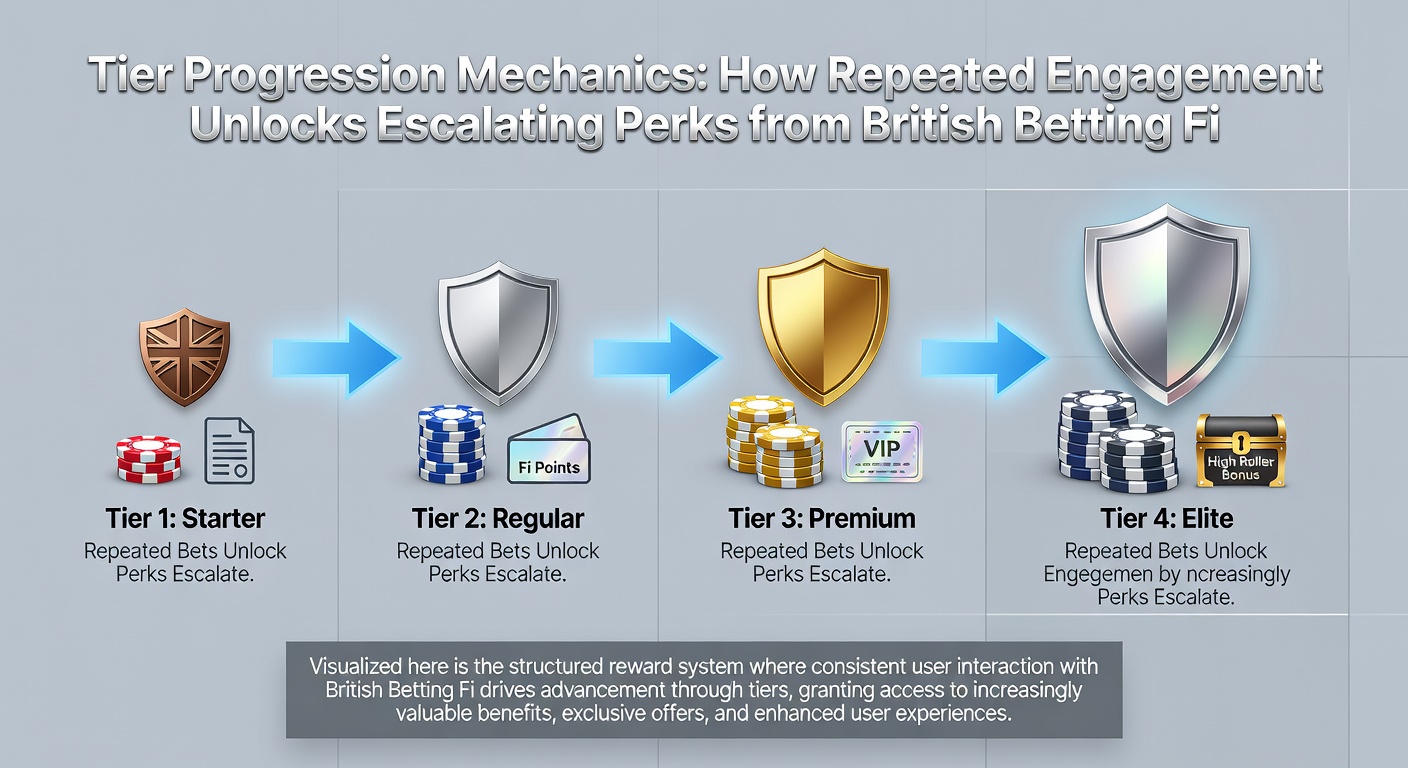
Most British firms segment their programs into four or five distinct levels, beginning with a base category open to all new accounts and progressing to premium designations reserved for the most active participants. Advancement depends on cumulative qualifying bets or deposits, with some platforms resetting points annually while others maintain rolling windows that reward ongoing participation without abrupt losses of status. According to figures released by the European Gaming and Betting Association, loyalty tiers across European markets, including the UK, show average upgrade rates of 12 to 18 percent among users who remain active beyond their first year.
Perks scale accordingly, so entry tiers might offer standard free bet matches on select events, whereas top tiers provide personalized account managers, faster withdrawal processing, and invitations to invitation-only tournaments. Cashback percentages frequently rise from 5 percent at lower levels to 15 or 20 percent at the highest, applied across a wider range of bet types including accumulators and in-play wagers. These escalations occur automatically once thresholds are met, with notifications sent directly to qualifying accounts.
Real-World Implementation Across Major Operators
Take one researcher who examined public program documentation from several leading platforms and found that reward structures often align around seasonal sports calendars, granting bonus points during high-engagement periods such as Premier League campaigns or major horse racing festivals. Participants who sustain activity through quieter months retain their tier status, preserving access to elevated benefits when volume rebounds. This continuity prevents abrupt drops that could otherwise discourage return visits after temporary lulls.
Another pattern observed involves hybrid tracking that combines sportsbook and casino play, allowing cross-product activity to contribute toward unified tier progress. Users who alternate between football accumulators and slot sessions accumulate points faster than single-product participants, reaching higher brackets within the same timeframe. Reports from industry monitoring bodies indicate that such integrated systems increase average session duration by measurable margins, as the incentive to consolidate activity on one platform becomes stronger at each successive level.
Data Patterns Observed in 2026
By May 2026, several operators had adjusted their tier qualification windows to reflect updated player behavior analytics gathered over the preceding 18 months. These modifications included extended grace periods for maintaining status during off-peak intervals and the introduction of tier-specific reload bonuses tied to verified deposit streaks. Observers note that these refinements coincide with broader market shifts toward retention-focused strategies rather than pure acquisition campaigns.
Research indicates that users who reach the third tier or above demonstrate retention rates 30 to 40 percent higher than those remaining at entry levels, according to aggregated figures shared through European trade associations. The compounding nature of benefits, where each upgrade multiplies the value of subsequent promotions, creates a feedback loop that sustains engagement across multiple calendar quarters.
Conclusion
Tier progression mechanics in British betting environments function through clear, activity-based criteria that reward sustained participation with progressively valuable incentives. Operators maintain these systems via automated tracking tools that update in real time, ensuring participants receive immediate recognition once thresholds are crossed. The result is a structured pathway where consistent engagement translates directly into escalating access and financial advantages without requiring separate applications or manual requests.