Tracing Sequential Claiming Routes That Tie Casino Perks to Sports Repeat Offers
Freya Roth · Jun 11, 2026

Tracing Sequential Claiming Routes That Tie Casino Perks to Sports Repeat Offers
Operators structure promotions so players move from initial casino incentives into sports repeat offers, and data from multiple markets shows these sequences create measurable position advantages when claims follow specific timing patterns, with June 2026 figures expected to highlight continued growth in cross-product activity across regulated platforms.
Core Mechanics of Sequential Patterns
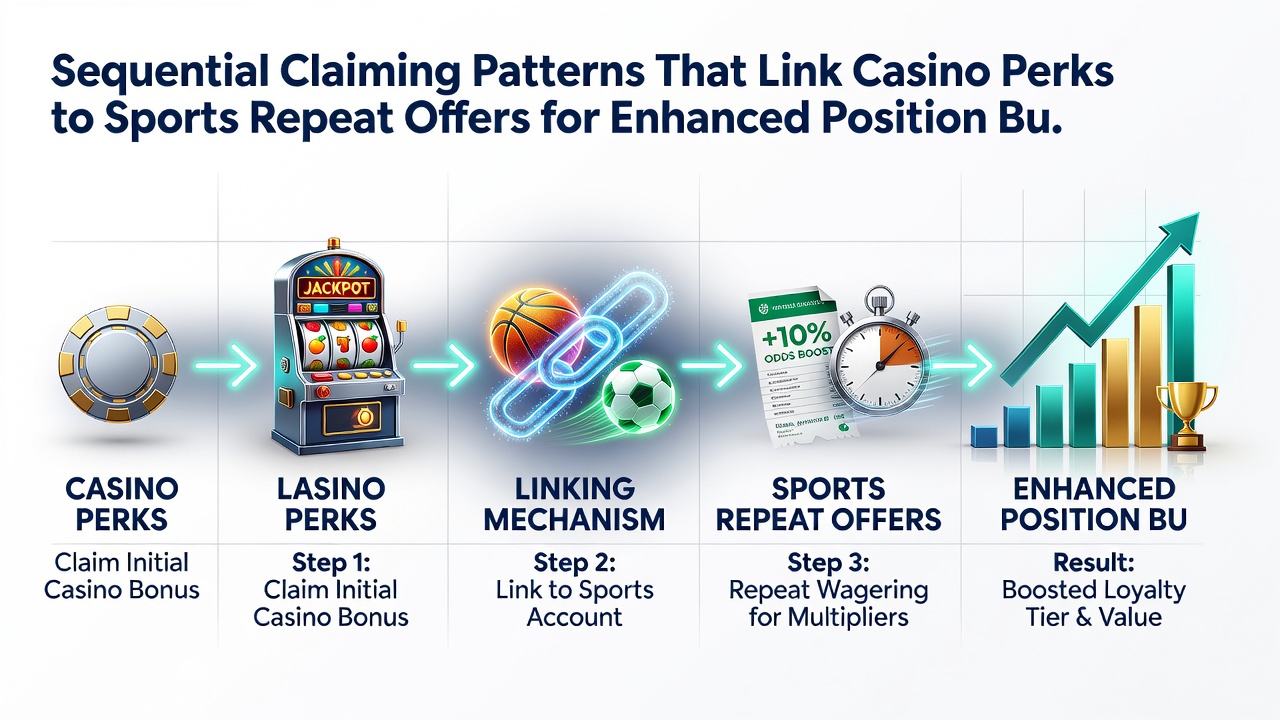
Players begin with casino perks such as deposit matches or free spin packages, then shift those balances or completed playthrough amounts into sportsbooks where repeat offers activate on subsequent deposits or event-specific wagers, and industry reports indicate this order reduces overall exposure while increasing available stake multipliers. Research from the Australian Gambling Research Centre documents how these chains appear in transaction logs when casino completion triggers sports reload eligibility within narrow windows, typically 24 to 72 hours after the first claim.
Timing Windows and Position Building
Effective sequences rely on precise timing because many sports repeat offers require a prior deposit history that casino play can satisfy, while the reverse path often fails due to separate product ledgers, and analysts note that June 2026 regulatory calendars in several jurisdictions may tighten these windows further through new reporting rules on bonus cycling. One documented pattern involves claiming a casino no-deposit credit, completing wagering on high-contribution slots, then routing the resulting balance into a sports deposit that unlocks a repeat free bet ladder, thereby layering exposure across both verticals without additional capital outlay.
Regional Data Variations
Canadian provincial reports reveal higher conversion rates when casino claims precede sports reloads during major league seasons, whereas European operators report steadier uptake when the sequence begins with sports and moves into casino side games for rollover completion. The Nevada Gaming Control Board tracks similar cross-product flows in monthly filings, showing that sequential claims account for an increasing share of total bonus redemptions each year.
Platform Design Influences
Bookmakers configure bonus codes and loyalty tiers to reward players who complete casino segments before accessing sports repeat offers, and this design choice appears in loyalty program rules across multiple operators because it encourages sustained engagement rather than one-off redemptions. Data indicates that players following the casino-first route achieve higher cumulative position sizes when the sports reload activates on the same account balance, allowing simultaneous management of both product ledgers without separate funding steps.
Common Sequence Examples
Take one operator that releases a weekly casino deposit match followed immediately by a midweek sports reload code available only to accounts with recent casino activity, and transaction analysis shows players who claim in that order maintain larger active balances through the combined period. Another pattern surfaces when casino free spins contribute to a playthrough meter that sports offers then reference, creating a single progress tracker across verticals and reducing the number of separate wagering requirements users must monitor.
June 2026 Context and Forward Indicators
Industry calendars list several policy reviews scheduled for June 2026 that could alter how repeat offers reference prior casino activity, with early projections suggesting tighter integration between product databases to improve compliance tracking. Observers expect these changes to standardize sequential claim reporting, making it easier for platforms to verify that players have moved through casino perks before sports repeats activate.
Conclusion
Sequential claiming patterns that connect casino perks to sports repeat offers continue to shape how positions develop across platforms, and available figures from regulatory filings together with operator data show consistent structural incentives for this order of operations. As June 2026 approaches, updated reporting requirements may further clarify these routes without altering the underlying mechanics that link the two verticals.