Weaving Networks of Incentives: Strategies for Connecting Reward Types to Amplify Retrieval Efficiency
Bianca Fischer · Jun 23, 2026
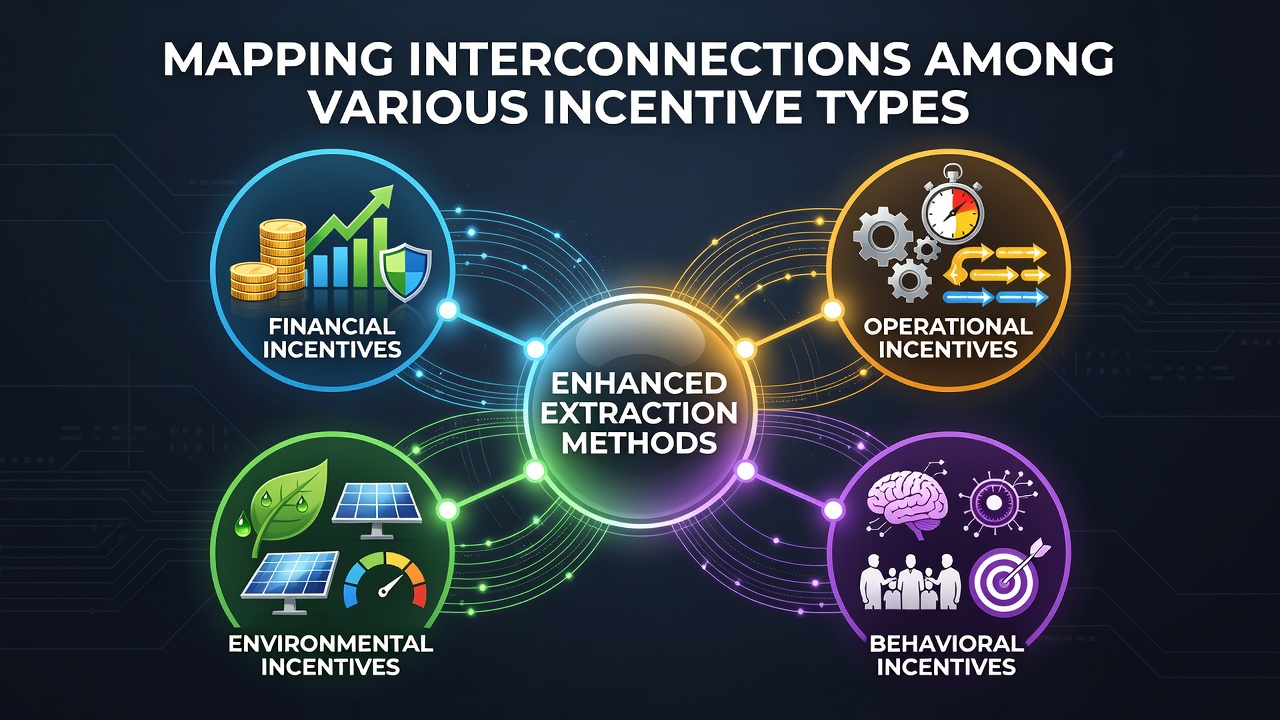
Weaving Networks of Incentives: Strategies for Connecting Reward Types to Amplify Retrieval Efficiency
Observers note that incentive programs span multiple categories, each designed to encourage specific behaviors while creating pathways for combined utilization, and data from industry analyses reveal these structures often overlap in ways that allow systematic approaches to value retrieval when mapped carefully. Research indicates sign-up rewards, loyalty tiers, cashback mechanisms, and referral credits function as nodes in larger networks, where one type feeds into another through eligibility rules and timing sequences that organizations establish to sustain engagement across sectors like retail, finance, and entertainment services.
Core Categories and Their Defined Roles
Analysts break incentive types into distinct groups that include initial acquisition offers, retention-based accumulations, performance-tied escalations, and cross-platform transfers, according to reports compiled by trade associations in multiple regions. Acquisition incentives typically activate upon first interaction, retention tools build through repeated activity thresholds, and escalations adjust based on volume metrics, while transfers enable movement of value between related accounts or services. Studies compiled by academic institutions show these categories rarely operate in isolation, since eligibility for one frequently depends on prior completion of another, forming chains that require documentation of sequences and conditions to track effectively.
Initial Acquisition Layers
Entry-level incentives establish the foundation by delivering immediate access to resources or credits, yet their value increases when linked to follow-on requirements such as minimum activity periods or paired usage with retention tools. Figures from government economic surveys in Canada demonstrate that participants who align these entry offers with subsequent accumulation steps achieve higher overall retrieval rates, because the programs embed conditional extensions that reward continued mapping of interconnections.
Interconnection Patterns Across Programs
Mapping reveals recurring patterns where loyalty accumulations convert into cashback equivalents through predefined exchange rates, and referral credits often unlock tier advancements that amplify the original incentive scale. Data shows these links emerge from shared tracking systems that organizations deploy to monitor compliance across multiple incentive streams simultaneously. Experts have observed that in entertainment platforms, for instance, a referral credit might satisfy the activity threshold needed to unlock an escalation bonus, thereby creating a feedback loop documented in operational guidelines released by European industry bodies.
June 2026 brought updated forecasts from several oversight agencies highlighting shifts in how these interconnections influence overall sector performance, with particular attention to digital transfer mechanisms that facilitate cross-border incentive alignment. Those who've studied the data note that such updates provide clearer frameworks for tracing value flows without violating platform terms that govern each incentive category.
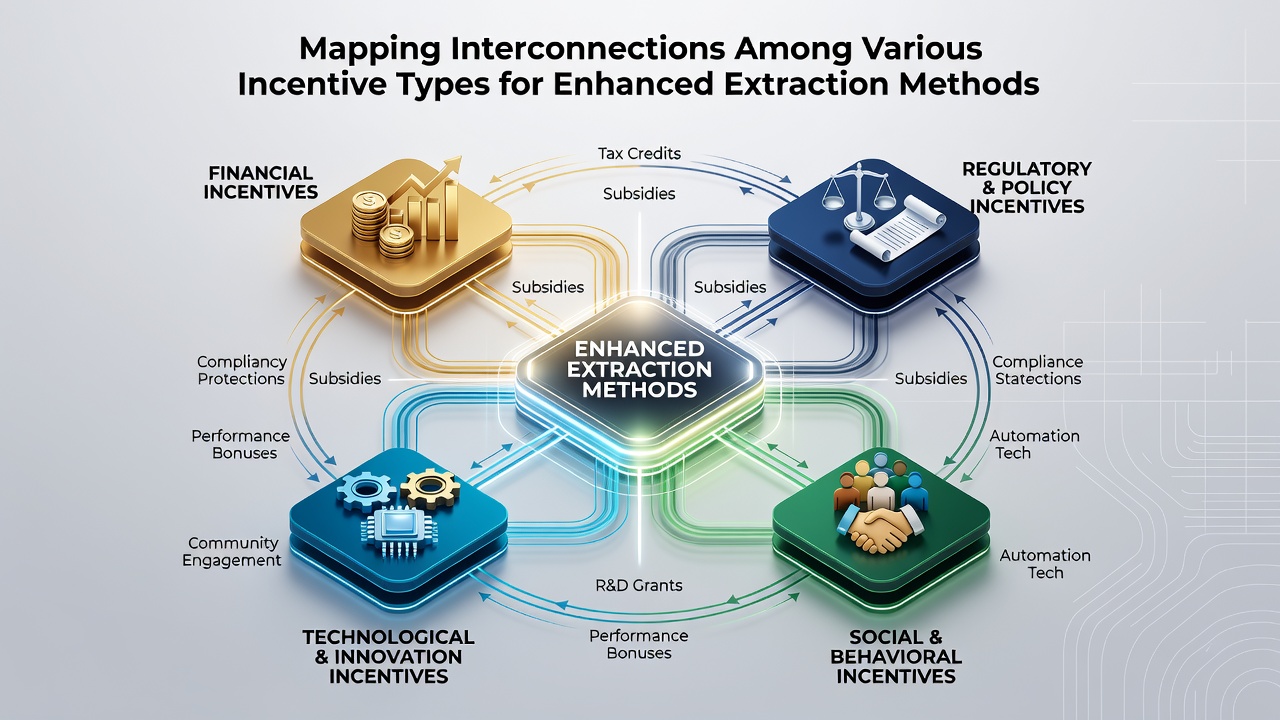
Practical Mapping Techniques Employed by Analysts
Professionals construct visual diagrams and database models to chart dependencies, using nodes for each incentive type and edges to represent conversion rules or timing constraints. Research from university-led projects in Australia indicates that digital tools for this mapping process reduce errors in identifying eligible combinations, since they flag conflicts arising from overlapping expiration dates or usage caps. Organizations publish internal playbooks that detail these techniques, allowing systematic extraction by sequencing actions across acquisition, retention, and escalation layers in documented order.
Additional patterns surface when referral incentives connect directly to cashback multipliers, because the initial referral action satisfies conditions for higher-tier benefits that would otherwise require separate activity. Evidence suggests such linkages appear most frequently in integrated service environments where single accounts aggregate multiple incentive streams under unified tracking identifiers.
Regional Variations in Implementation
Regulatory environments shape how interconnections form, with North American frameworks emphasizing disclosure of conversion rates while Asia-Pacific models focus on activity caps that limit simultaneous use. Reports issued by international research consortia illustrate that these differences affect the density of viable mappings, yet core structures remain consistent enough to permit comparative analysis across borders. Government statistical releases from various jurisdictions provide baseline figures on participation rates, enabling observers to quantify how mapped strategies alter retrieval outcomes in practice.
Conclusion
Comprehensive mapping of incentive interconnections supplies the structure needed to coordinate retrieval across acquisition, retention, escalation, and transfer categories, with documented patterns showing measurable improvements in efficiency when sequences follow established rules. Data continues to accumulate from multiple sources, supporting refined approaches that respect the conditional links organizations embed within their programs.